Blog

Recipes

Leek and potato soup

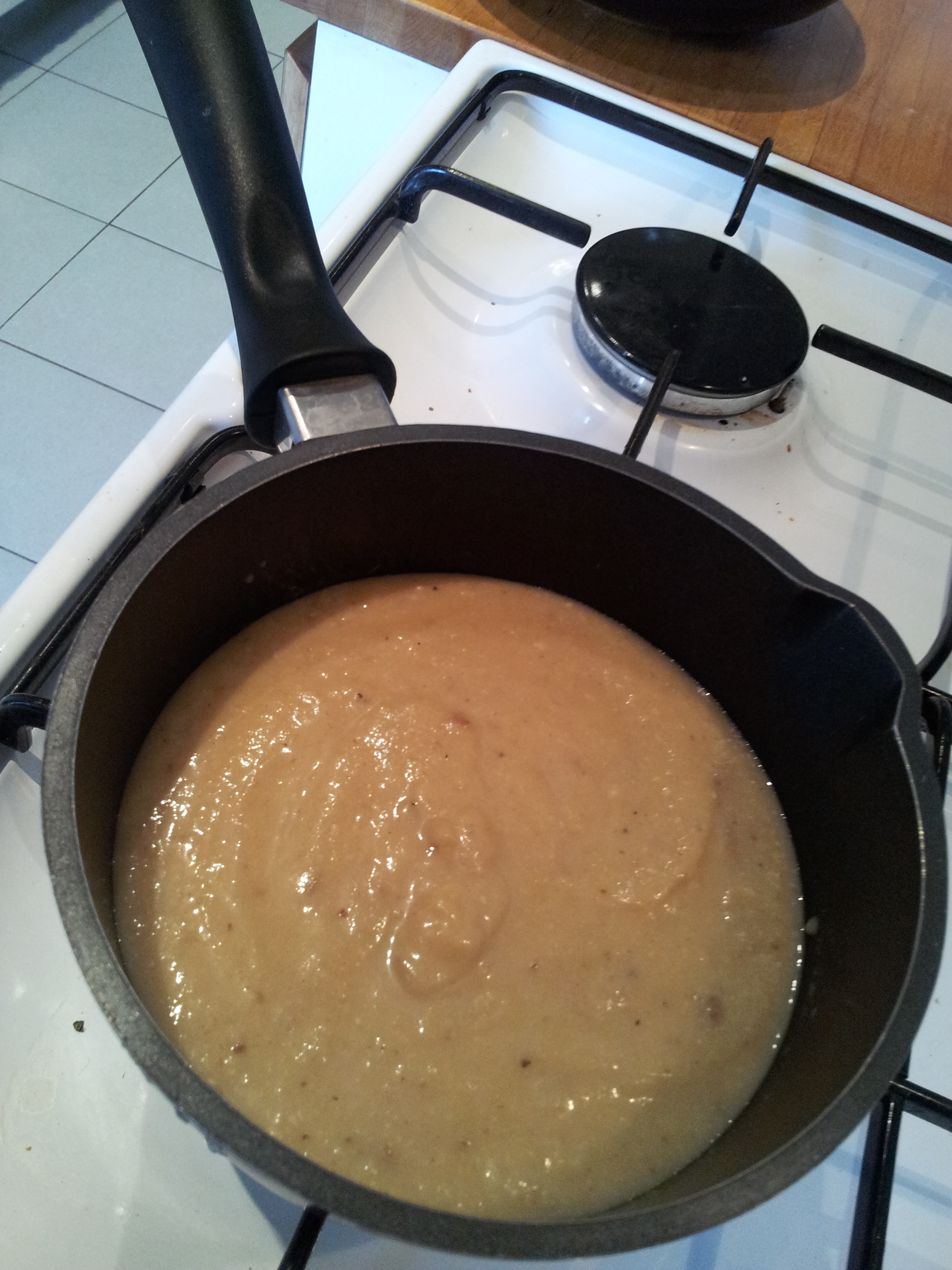
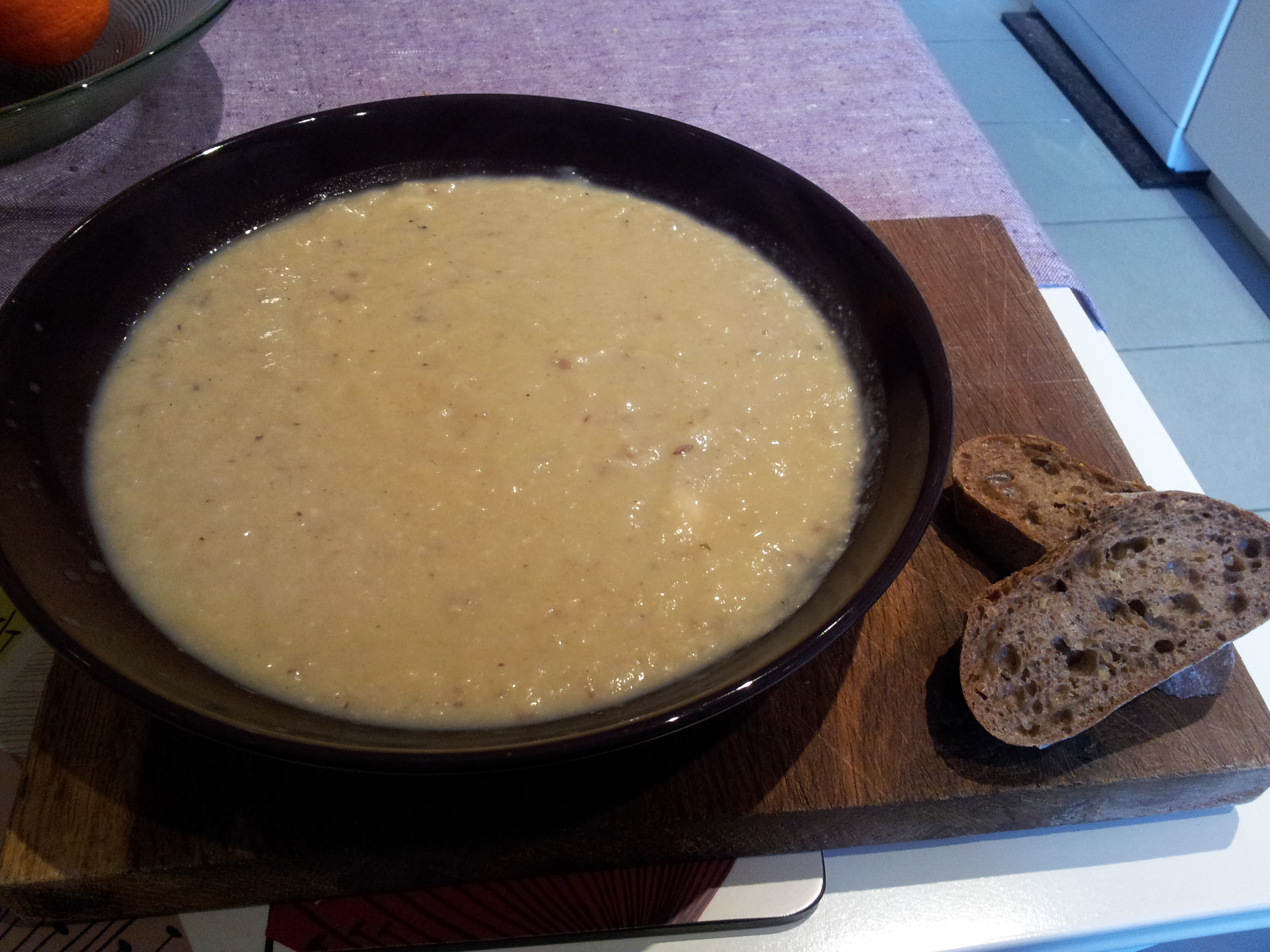
20150122_131523I had a couple of ingredients that needed using up so adapted my usual leek and potato soup recipe a little. It tasted delicious so I deemed it blog-worthy 🙂
As usual with my soups, I make on bulk and freeze what we don’t eat. The ingredients below make 6 generous servings.

Ingredients
1 leek
4 carrots
1 head of broccoli
2 onions
3 potatoes
100g red lentils
1 tablespoon olive oil
1 teaspoon oregano
1 teaspoon thyme
1 teaspoon crushed garlic
1 tablespoon reduced fat creme fraiche
500mls of stock + water as needed
Salt & pepper to taste

Method

1. Peel the carrots and chop them up along with the leek, broccoli and the onions.
2. Cube the potatoes into small squares (no need to peel).
3. Add the olive oil to a large saucepan and place on a low heat.
4. Add the carrots, leek, broccoli, onions, potato and garlic into the saucepan and give them a good stir. Leave them soften for a couple of minutes.
5. Add the lentils, the oregano, thyme and other seasoning and stir into the vegetables.
6. Pour over the stock and enough water to just reach the top of the vegetables. Leave simmering on a low-medium heat until the vegetables have cooked.
7. This soup tastes great blended, but it’s best to leave it cool a little before you do this (trust me!) Once it’s cooled, use a hand blender or a food processor to blend. If it’s too thick for your preference, add some more water.
8. Once blended, heat back up and stir in the creme fraiche before serving.
Mmm…Creamy deliciousness 🙂

The nutritional data below is based on the above yielding 6 portions.
Per Portion:
CALORIES: 160kcal
TOTAL FAT: 2.5g
SATURATED FAT: 0.3g
PROTEIN: 5g

Recipes

Hummus

Hummus is a healthy and handy food that’s packed with protein, high in soluble fibre and a good source of healthy fats. It’s so versatile too, it can accompany a meal, works great as a dressing or sauce, in sandwiches or even on its own.

Shop-bought hummus can vary hugely in terms of nutritional content. You can often be left wondering if it’s a healthy or less healthy choice (particularly in Belgium where the shop-bought hummus I’ve tried actually doesn’t have a nutritional information on the label!).

Making your own means you know exactly what’s in it and saves you money too!

Like a lot of my recipes, I make use of my freezer and make this in large batches and freeze it. Hummus freezes well, just ensure you use an airtight container and leave a little room at the top to allow it to expand. When you come to defrost it, leave it in the fridge overnight and give it a good stir before serving.

I’ve made my own hummus for a while, and I adapt the recipe to create different flavours, but this recipe produces a good base for you to use and add your own flavours to.

Ingredients20150122_131113
400g chickpeas (garbanzo beans)
2 cloves garlic
2 tablespoons tahini
2 tablespoons lemon juice
200g low fat natural yoghurt
Salt & pepper to season
Paprika (optional)

Method
1. Crush the garlic and put into the food processor with the tahini and lemon juice. Blend.
2. Add the chickpeas and the yoghurt (I like to leave a handful of chickpeas out to have whole in the hummus, but you can add them all if you prefer).
3. Blend until you have a relatively smooth consistency (if it’s not runny enough you can add more natural yoghurt or a little water). Taste it and season it to your taste at this point too, you can also add paprika or other spices if desired.
4. Blend again, until desired consistency is reached.
5. Pop into an airtight container, remembering to add your whole chickpeas back in if you left some out earlier! It can be stored in the fridge for 3-4 days or in the freezer for up to 6 months.

The nutritional data below is based on the above ingredients yielding 8 portions.
CALORIES: 120kcal
TOTAL FAT: 3.5g
SATURATED FAT: 0.5g
PROTEIN: 6g

Recipes

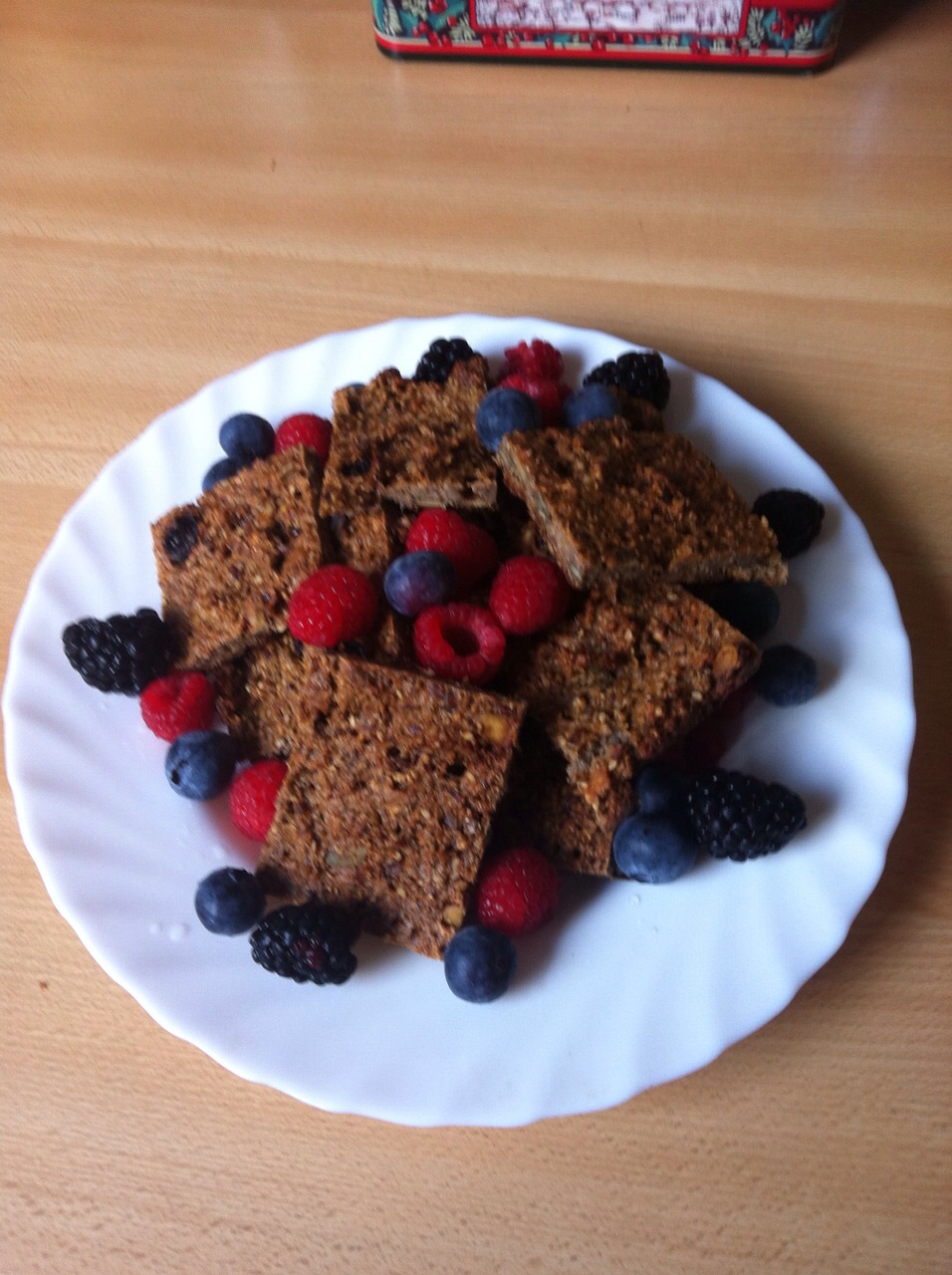
Apricot and Pistachio Flapjacks

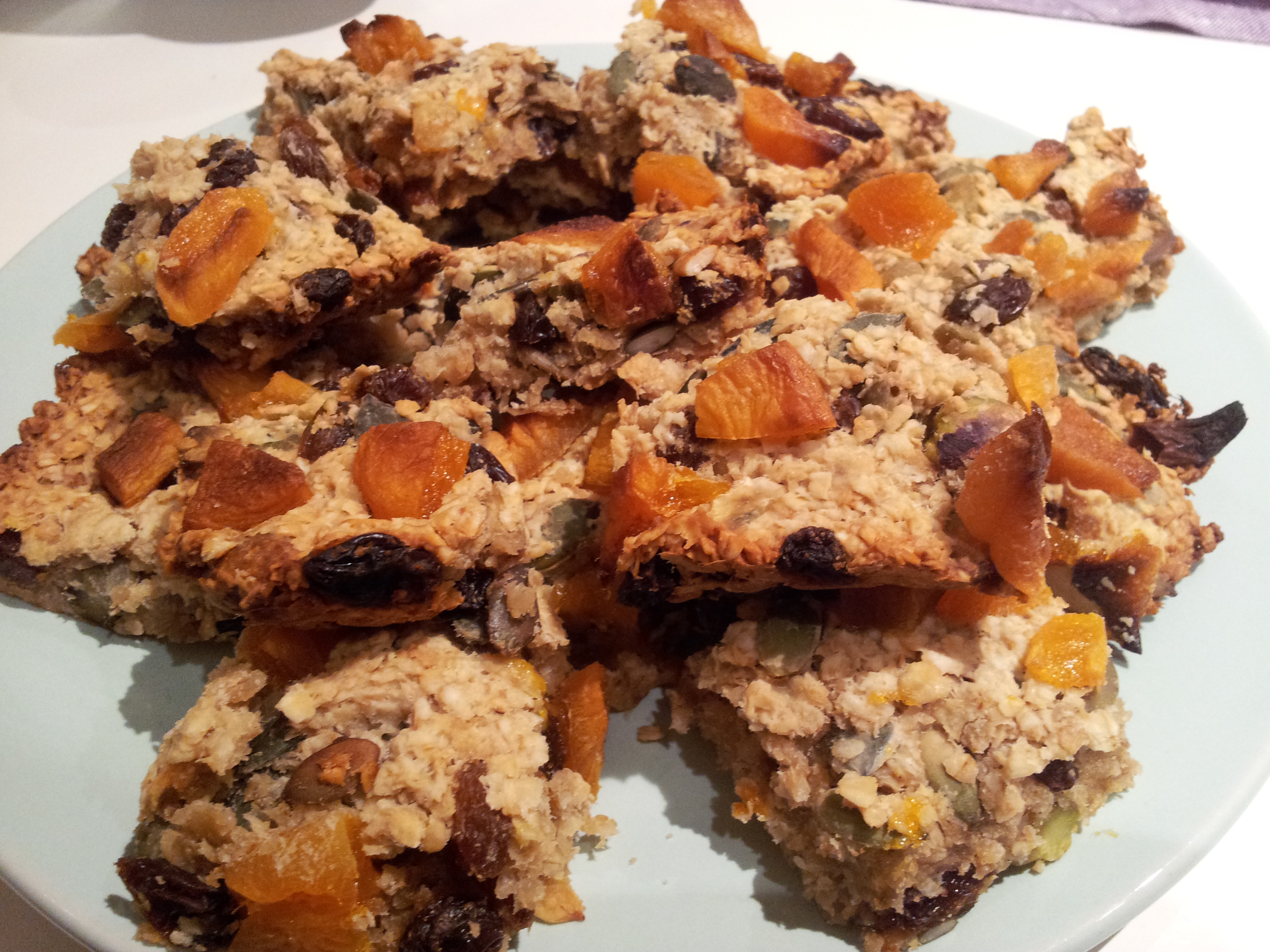
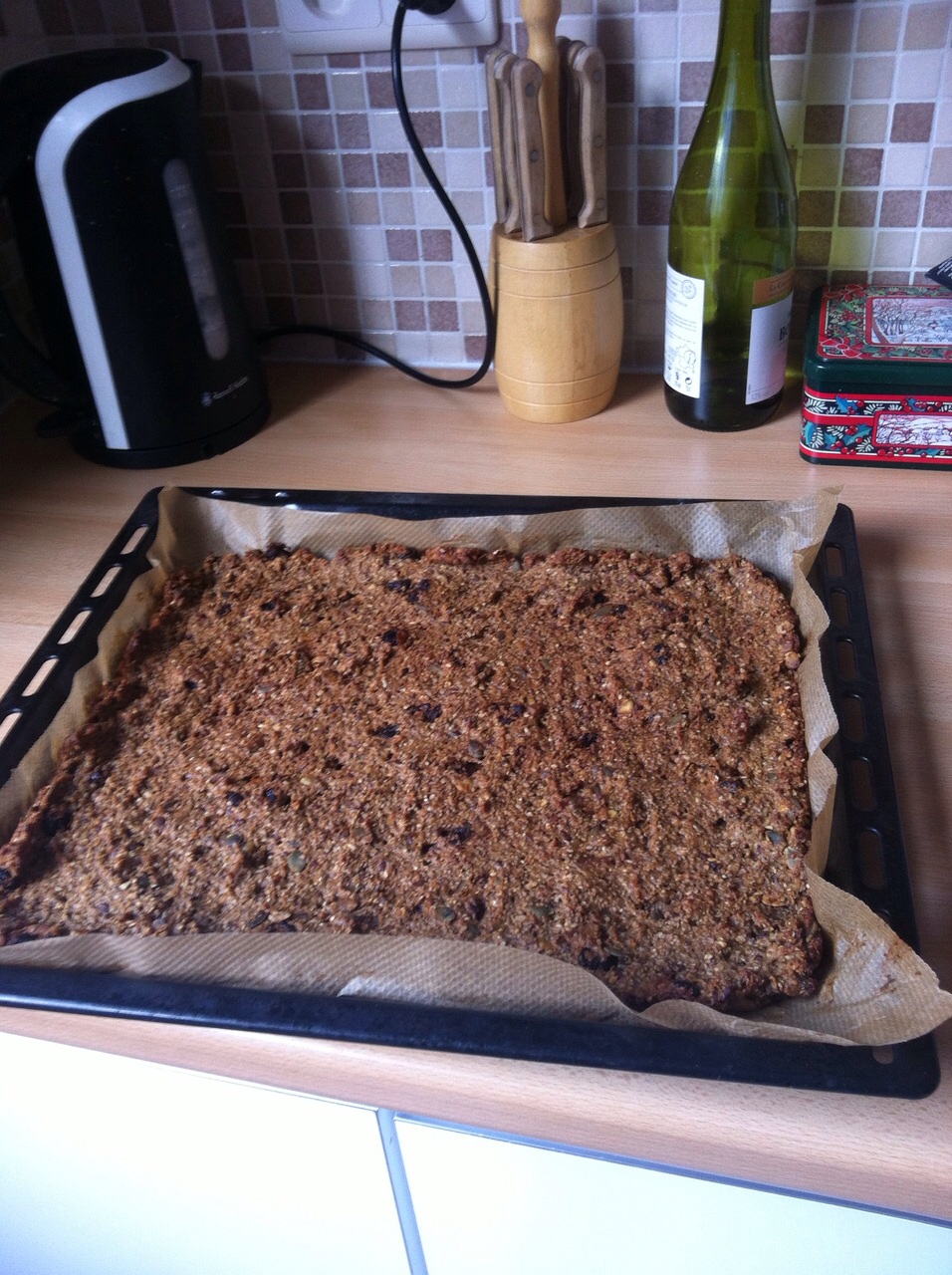
Oats are the perfect food to fill us up as they release their energy slowly, team that with the protein from the nuts/seeds and some fruit for good measure, and you’re onto a winner. This recipe contains no added sugar and much less butter than conventional flapjack recipes, using honey and apricot to sweeten and yoghurt to add the moisture.

Ingredients20150120_210902
200g oats
1 banana
100g sultanas
60g apricots
30g pistachios
30g pumpkin seeds
50g butter
70g low fat plain yoghurt
1 tablespoon honey

Method
1. Preheat the oven to 200’c and line a baking tray with grease-proof paper.
2. Melt the butter (30 seconds in the microwave) and add in the honey, yoghurt and banana. Mash all this up.
3. In a separate bowl, mix together the oats, sultanas, pistachios and seeds.
4. Pour the butter mixture into the oats and mix well.
6. Tip the flapjack mixture into the lined tin, sprinkle on the chopped apricots and press them slightly into the mixture.
7. Pop in the oven for 30-40 minutes. You may wish to cover it if you don’t want the apricots/sultanas to crisp up.
8. Chop into 18 square pieces and store in an airtight container.

The nutritional data below is based on the above ingredients yielding 18 portions.
CALORIES: 110kcal
TOTAL FAT: 4.5g
SATURATED FAT: 4g
PROTEIN: 3g

I love receiving photos of you trying out my recipe suggestions!

IMG-20150408-WA0001 IMG-20150408-WA0002

Healthy Living

Eating well through Christmas

Those of you who follow my blog will know that ‘dieting’ isn’t something I encourage. I believe that short terms fixes produce short term results and short term results don’t lead to better health. For me, a healthy diet is about eating foods that are good for my physical and psychological health. Severe or permanent restriction of any food is not good for health; physical or psychological. 

Now Christmas can be a worrying time for many people who are anxious around food. There’s food everywhere.  Often, portion sizes increase and well-meaning people give food based gifts. And…alcohol! How do you continue your healthy lifestyle through this minefield?! Well, here’s my top 10 tips on how you can manage your food and Christmas.

1. Make your goals realistic
If you’re someone who likes setting goals, make sure they’re achievable. For example; are you likely to get up at 5am on Christmas day to go for a run, or lose 5kg in the Christmas fortnight? Setting goals that you’re unlikely to achieve may make you feel negative and result in you ‘giving up’. If you’re trying to lose weight, aim to maintain your weight over the Christmas period and get back into setting an achievable goal afterwards.

2. Be kind to yourself

Try not to be too hard on yourself. If you have been realistic in your goal setting this should help, but try to talk to yourself in the same way you would to a good friend. Using a supportive, encouraging, understanding tone is much better for your psychological health than disciplining yourself.

3. Stay hydrated
Start off your day with a large glass of water, and keep drinking more through the day. Being dehydrated can make you feel more hungry and increase the volume of alcohol you drink. Try alternating alcoholic drinks and water (see point 7).

4. Freeze leftovers
Sometimes it can’t be helped, cooking waaaay too much at Christmas is too harder habit to break. However, chances are if there’s stuffing balls left in the fridge they’ll be picked at between meals. Anything that can be frozen, freeze it so the temptation isn’t there.

5. Ration your chocolate or give it away
If you’re one of those people who can have chocolate in the house and not munch your way through a box in one sitting, then great, make it last. If you’re not one of those people, then how about giving some of your chocolate to a worthy cause; a charity raffle, a church coffee morning, your post or bin men?!

6. Keeping the balance
Always ensure you have a good amount of fruit and vegetables! The Christmas season often means numerous social outings, and that means food. Try to notice the amount of things like nibbles and bread you might eat before a meal. You could also try and look at the menu before you go to give you more time to consider your choice. You could opt for lighter starters like soup or melon and desserts like sorbet or meringue with fruit. You could even suggest sharing a dessert or just have a coffee. (Coffee and strong flavoured tea (like mint) can help cleanse the palate after a meal.)

7. Watch the alcohol units
For many, alcohol seems to come hand in hand with Christmas. Remember that in terms of calories per gram, alcohol is second only to fat, containing 7 calories per gram (fat contains 9 calories per gram). That means that one glass of bubbly is likely to contain around 90 calories and a bottle of 4% beer around 100 calories.
Remember that too much alcohol is not good for your overall health, so try to have occasions where you won’t drink at all (drive there so you don’t have a choice)! And always try to lessen your intake; alternate between alcohol and soft drinks, ask for extra ice or dilute wine or spirits with diet mixers.

8. Make some healthy snacks
People tend to snack more through the Christmas period, this is normal. Consider what you are snacking on, why are you snacking? Is it true hunger or emotional hunger? Work on being more aware of your habits and how they might differ from your normal. It may be worth looking at the timing of meals through the day too; are you snacking because you’re hungry (or thirsty)?

9. Get in some exercise
Spending time with loved ones is an important part of Christmas. Make time for walks and family activities and you’ll be enjoying their company as well as staying active. Get up from the sofa and enjoy the crisp winter mornings!

10. Choose indulgences wisely
Take some time to consider your options, for example, you could have dessert and canapes, just canapes, or just half a dessert. Make a conscious decision before you go about what you’re going to choose and then think about why. Is it because you have another party tomorrow? Is it because you’ll want some mulled wine later? Thinking about this ahead of time can help you in the moment.

It is hard saying no to everything everyone offers you, but staying in control of what you want to say ‘yes’ to is a crucial part of maintaining a healthy lifestyle. It’s not about always saying “no”, but being more aware of how often you say “yes.”. For some people, it helps to practice different ways you can say no, for example; “yes it does look delicious, I’ll be sure to have one later” or “thanks, that was lovely but I can’t manage any more” or simply “no, thank you”.

Try to change “I can’t” to “I don’t”. Saying this means you’re in control and much more likely to stay on track during the Christmas holidays.

Remember, you can’t do ‘wrong’!

Have a Happy Christmas!

Healthy Living

A Dietitian’s Kitchen – November

20141117_170146I’ve always enjoyed fish, and I make an effort to ensure we get at least two portions per week. Fish is a good source of protein, lower in saturated fat than red meat and oily fish also contains those all-important omega-3s for heart health. Fish is also a good source of fat soluble vitamins (A, D, E and K), calcium (obtained from the fish bones) and magnesium. However, I find I’m often opting for the same types. This month I’m making an extra special effort to buy the more unusual types of fish that I either haven’t had before or haven’t had in a while.
20141117_180219
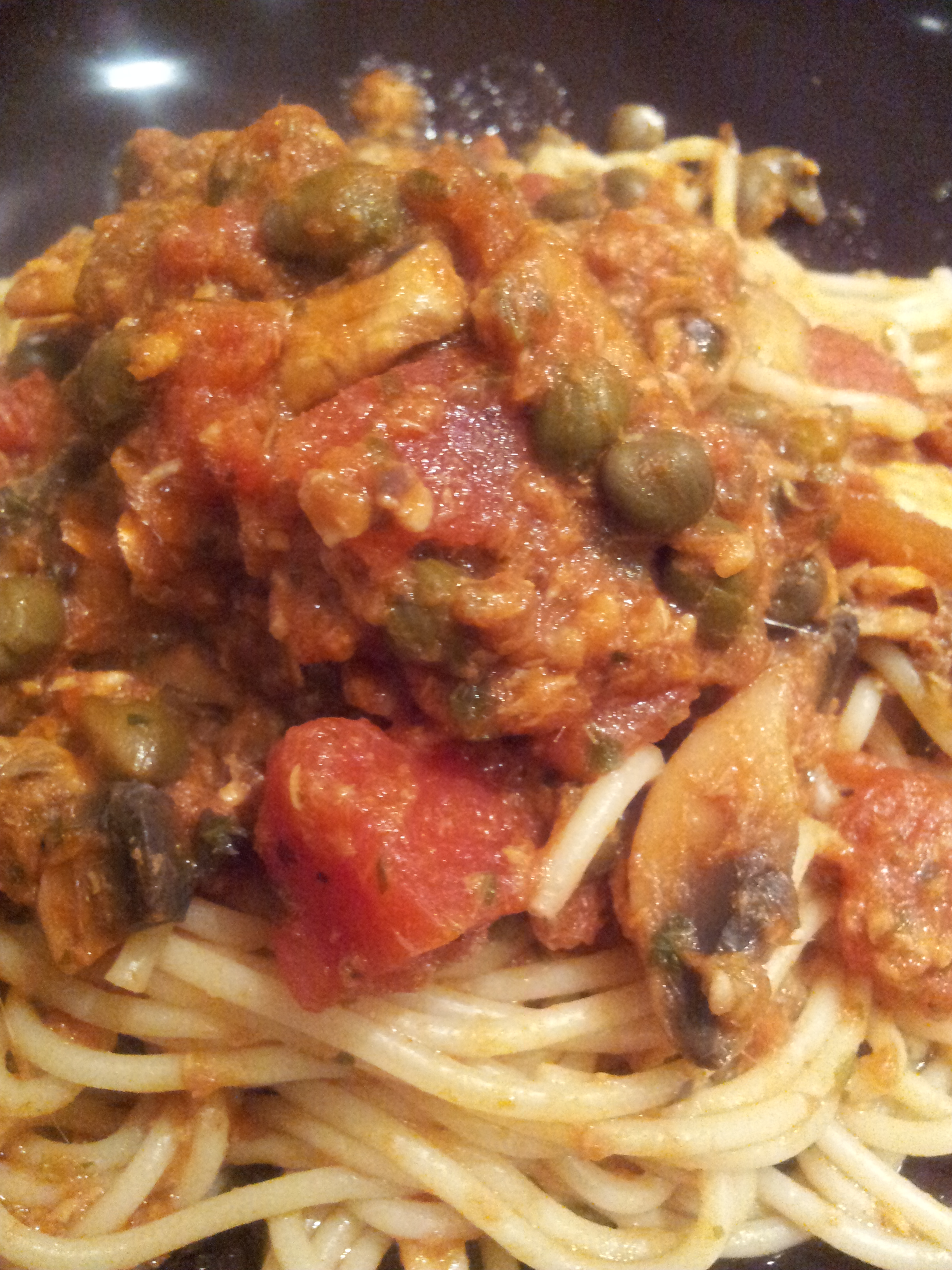
Variety in the diet is something I emphasise to my clients and live by myself; as eating lots of different foods means that we get the different nutrients they all contain. Pictured are a couple of sardines we made into a tasty tomato pasta dish. Sardines are a great choice because they’re cheap, sustainable and a good source of healthy fats. I’m not overly keen on fishy fish, but the chili in this recipe worked superbly 🙂 (By the way, I left the gutting to my other half!)

As we’re on the subject of fish…I’ve also tried sushi again this month. Coming from a small town in West Wales, sushi restaurants weren’t exactly easily accessed when I was younger, and when I went to university I just never tried it (could well be down to having a housemate who was allergic to fish!) Anyway, I tried sushi for the first time about a year ago and didn’t like it. Having tried it again last week, I’m afraid I’ve still got a way to go before I can actually enjoy a traditional Japanese meal! It’s something I’d like to enjoy though, so it’s not my final attempt.

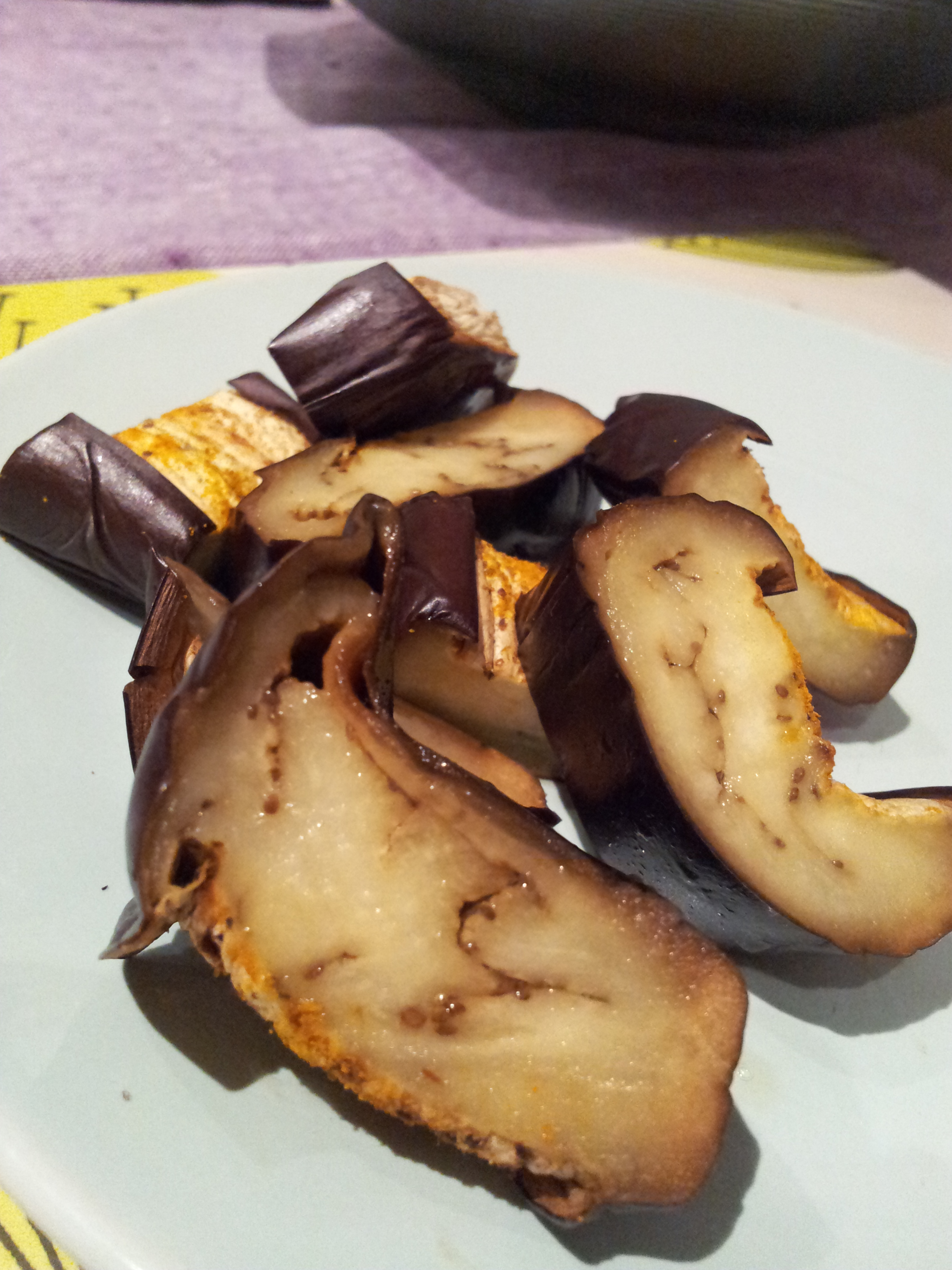
20141115_195605I don’t know about you, but as the weather gets colder, cold fruit and vegetables all the time just don’t do it for me. I’m quite a lover of raw vegetables or salad for lunch through the summer…but winter hits and I want something warm. A lot of the time I’ll make a soup, but (here comes that variety thing again) I also want something different. I’ve been making ratatouille with different veggies and baking squash, aubergine and sweet potato too.
Aubergine is a particular favourite of mine because I really like the texture. Aubergine, AKA eggplant, is very low in calories and high in fibre. It also contains B-vitamins and anti-oxidants. Plus the gorgeous purple skin makes any plate look divine!

20141115_143711No…These aren’t chips..I’ve even started baking fruit! I find baked apple slices with a little cinnamon have that added appeal in these cold months!

20141107_191350

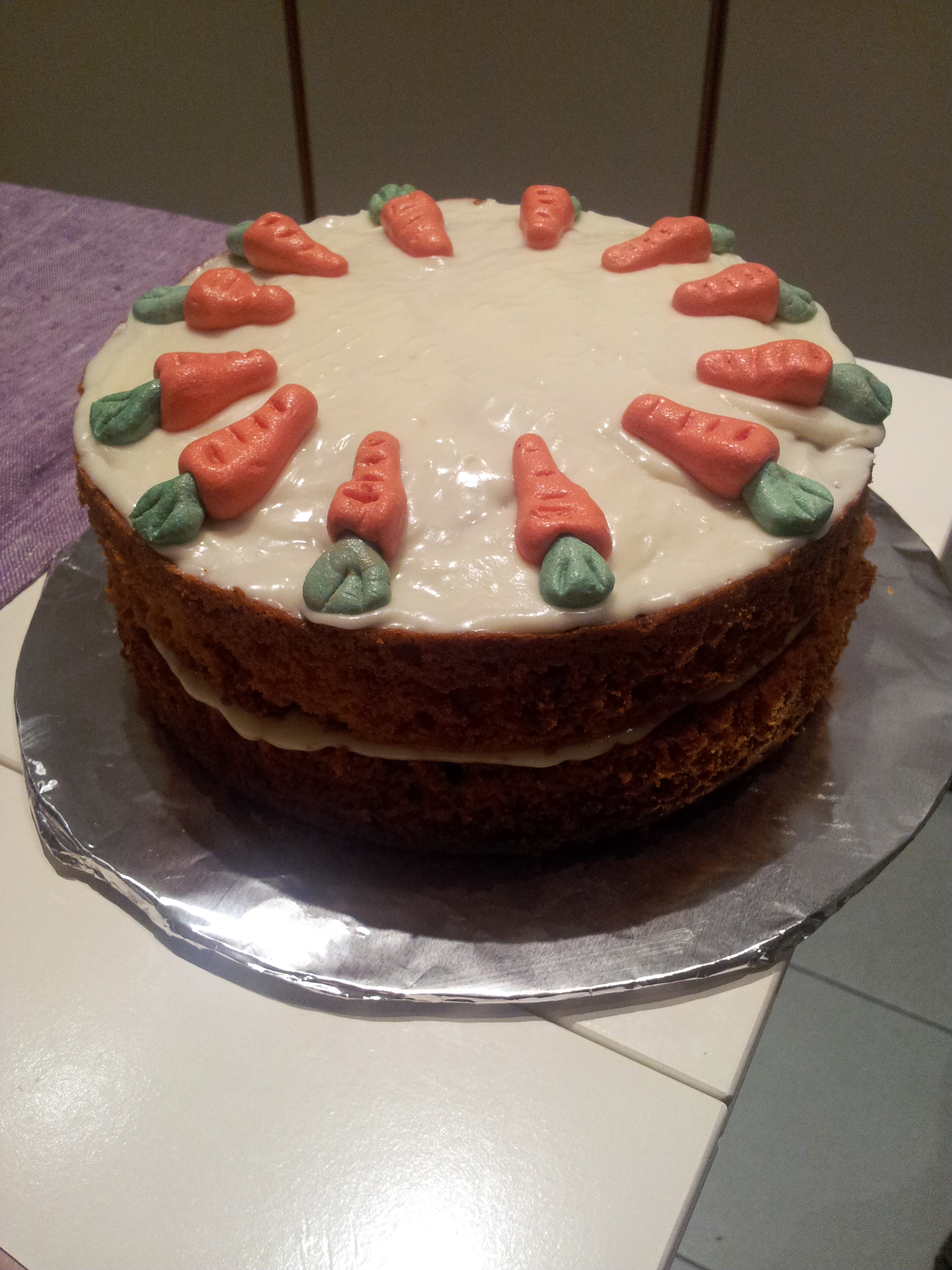
November has also been a busy month for birthdays! I enjoy baking, so I figured that I’d try and put a dietitian slant on my cakes and bakes. That’s included a carrot cake (YUM!), some chickpea brownies and a chocolate sponge made with quinoa instead of flour. I enjoy experimenting with recipes and enjoy the reaction from my friends when I tell them what they’re made from even more!

See you next month!

Recipes

Spiced cauliflower soup

This one is a tasty, creamy warmer. An ideal autumn lunch, or perfect for a healthy meal on a cosy night in.

20141113_140023Ingredients
2 leeks
1/2 a cauliflower
80g almonds
2 garlic cloves
1 teaspoon of fresh ginger
1 tablespoon coriander seeds
2 teaspoons cumin seeds
2 teaspoons cayenne pepper
1 teaspoon fennel seeds
Juice of 1/2 a lime
1 tablespoon of olive oil
150mls low fat milk
500mls of stock + water as needed
Salt & pepper to taste

Method

1. Chop up the leeks and cauliflower.
2. Add the olive oil to a large saucepan and place on a low heat.
3. Add the garlic, ginger, spices and herbs to the saucepan for around 30 seconds until the seeds start to split open. You should be able to smell them!
4. Put in the leeks, cauliflower and almonds and give the saucepan a stir; coating the veggies in the spices.
5. Pour over the stock and enough water to just reach the top of the vegetables. Leave simmering on a low-medium heat until the vegetables have softened.
6. Add the milk and the lime juice to the saucepan and let the soup cool.
7. Once cooled, blend the soup using either a hand blender or a food processor. If it’s too thick for your preference, add some more water.
8. Reheat, refrigerate or freeze as desired.
9. Serve with a wholemeal roll for a healthy, filling lunch!

20141111_131132The nutritional data below is based on the above yielding 10 portions.

CALORIES: 92kcal
TOTAL FAT: 6g
SATURATED FAT: 0.7g
PROTEIN: 3.5g
CARBOHYDRATE: 8g

Recipes

Lentil Patties

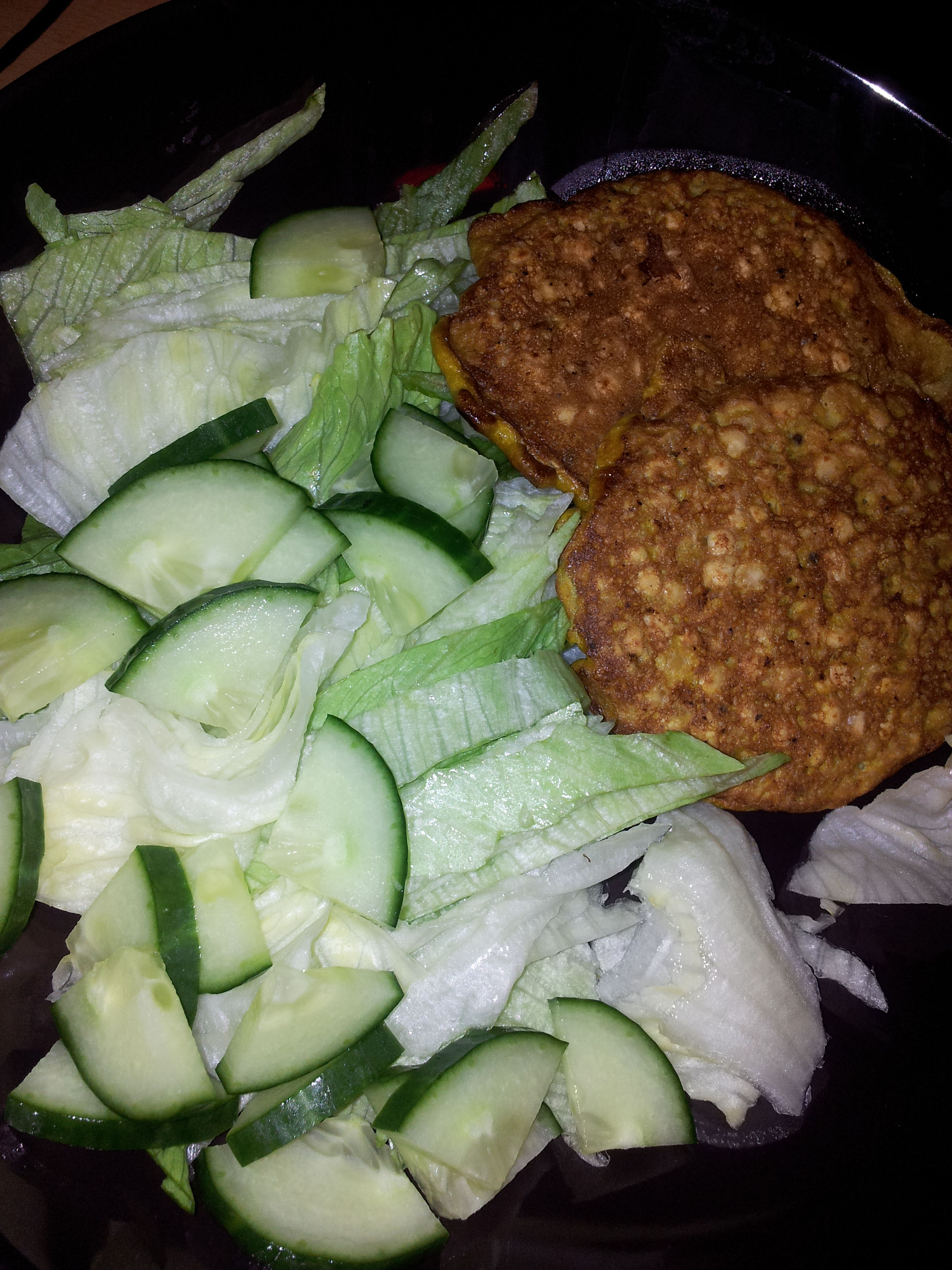
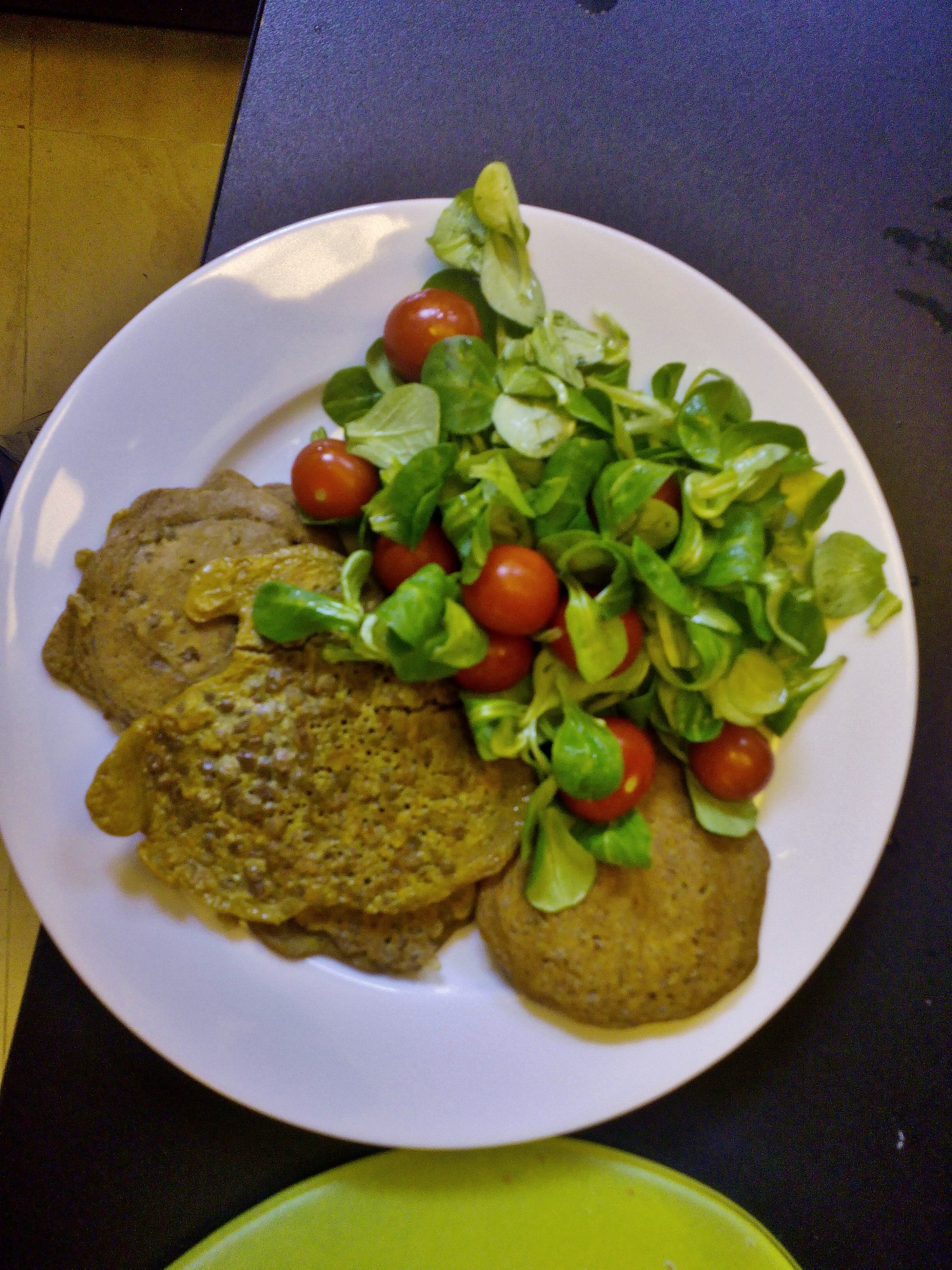
These are great for a quick lunch or dinner, low in calories and a good source of protein. They keep well in the fridge too for a ‘leftover lunch’ the following day. Team with a salad and a slice of wholemeal bread or some boiled new potatoes for a wholesome meal!

lentil pattiesINGREDIENTS:
70g lentils
2 eggs
1 tsp garlic powder
1 tsp ground cumin
1 tsp turmeric
1 tsp paprika
1 tsp olive oil

METHOD:
1. Bring a saucepan of water to the boil. Add 70g of lentils and simmer until lentils have softened.
2. In a bowl, mix together the eggs and spices.
3. Drain the lentils well and stir into the egg mix. Season if desired.
4. Heat a frying pan and add a tsp of oil. Drop a serving spoon of the mix into the pan and cook on a medium heat for 5 minutes. When one side is cooked, flip and cook the other side.

NUTRITIONAL INFO:
Calories:
116kcal
Fat:
7g
Saturated Fat:
1.5g
Protein:
7g
(This recipe should make around 6 patties. Nutritional info is per serving = 2 patties)

Photos of you making my recipes makes me very happy 😀

patties

Recipes

Recipe – Creamy Squash Soup

I love soups, (see a few reasons why in my Dietitian’s Kitchen post). In short, they’re healthy, cheap and easy to make.

I started making soups when I was about 16 and became interested in eating healthily. Then, when I was at university, I found that I could pretty much chuck any vegetables in with some suitable spices or herbs and it’d taste good, so soups became a go-to. I find it very difficult to go wrong because as long as you don’t add too much of something, you can continually adjust the flavours as you go.

In basis, every soup I make starts out with the same base; onion and garlic. Then I just throw in the vegetables, add a protein (meat, pulses or lentils), add spices, season, cover it in stock and let the vegetables soften. Sometimes, if I’m not going to be having bread with it I’ll add in potato, rice or noodles. My favourite is when I use a chicken carcass to make a tasty chicken soup, mmhm.

This soup recipe is using a butternut squash; another firm favourite of mine, especially during those Winter months. This is low in calories, high in fibre and packed with vitamins A and C. This soup contains some protein in the lentils, but I’d recommend another source of protein (boiled egg, 25g of nuts or more lentils) if you’re having this as a main meal. Team with a slice of wholegrain bread for a lovely lunch.

By the way, I always make soup on mass and freeze or refrigerate it. So you’ll find this recipe makes loads!

20141010_104022Ingredients
1 butternut squash (around 1kg)
2 large onions
4 cloves of garlic
3 carrots
1/2 a cauliflower
180g lentils
Olive oil
500ml chicken or vegetable stock
2 teaspoons paprika
1 teaspoon oregano
1 tablespoon turmeric
Water
Salt & pepper
Optional: 1 tablespoon low fat Greek yoghurt

Method
1. Preheat the oven to 240’c
2. Peel the squash and chop off both ends.
3. Slice the squash down the middle (length-ways) and scoop out all the seeds and pith in the middle.
4. Chop squash roughly into 1 inch cubes.
5. Drizzle a little (around 2 tablespoons) of olive oil into an oven proof dish and add the squash. Sprinkle with some paprika, ground pepper and a little salt. Place in the oven for around 1 hour or until the squash is soft and just beginning to brown.
6. While the squash is roasting, chop up the rest of your vegetables.
7. Add a tablespoon of olive oil to a large saucepan (big enough to hold all of the soup) and add the garlic, chopped onions and oregano. Heat on a low-medium heat until the onions appear to have a slight glaze.
8. Once the squash is ready, add it to the saucepan along with all of the other vegetables and lentils. Give it all a good mix.
9. Pour over the stock and enough water to cover the vegetables (you may need to add more if you want a runnier soup).
10. Leave the soup to simmer until all the vegetables are cooked.
11. Once the veg is cooked, remove from the heat and let cool a little before blending (trust me…blending hot soup can burn!)
12. When you’re ready to eat, reheat, stir in the turmeric and add a dash of yoghurt to make it taste even more creamy. Voilà…Yum!

CALORIES: 160kcal
PROTEIN: 6g
TOTAL FAT: 5g
SATURATED FAT: 0.8g
(This is based on the above recipe yielding 8 servings)

Healthy Living

A Dietitian’s Kitchen – October

Well, I’m cheating this month. September was a bit hectic and I didn’t get a chance to fill you in on what’s been going on in my kitchen, so I’m combing the two!

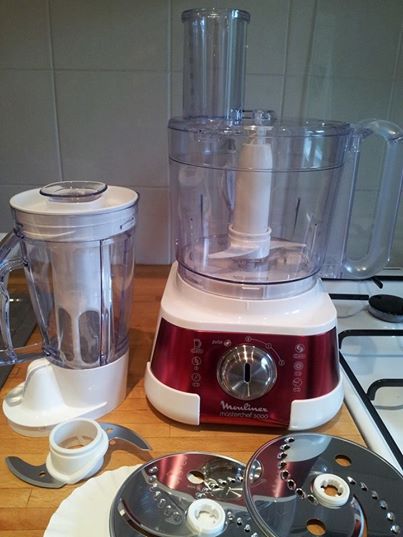
September saw the arrival of my new favourite toy…

food pro

I love it, and I actually think I’ve used it pretty much every day. I’m not sure how I lived without one for so long.

I’m now able to make my own hummus, smoothies and juices so easily. There’s no more tears slicing onions and all my veg is universally chopped!

Watch out for future recipes using this baby!

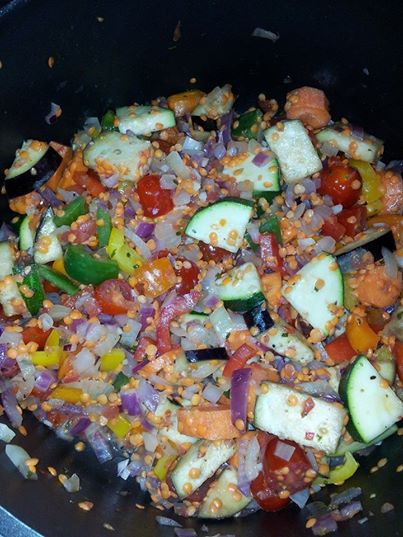
soup1

Autumn seems to have hit Brussels with a vengeance. The weather seems to have gone from being gorgeous to hat and scarf weather overnight! So, my soups have made a return. I’m a BIG fan of soups for loads of reasons;

1. They taste great and are packed with vegetable goodness
2. It’s a handy way of using up any leftover veg (or leftovers for that matter)
3. They’re relatively cheap and easy to make
4. Convenient to keep in the fridge or frozen
5. It’s all cooked in one pot so you don’t lose any of the water soluble vitamins

I could go on, but you get my point. SOUPS ARE AWESOME. I’ll be posting some recipes soon.

Curries have also been on the menu a lot recently. I’ll be honest, 9 times out of 10 I’m pretty lazy and use a curry paste, but we’ve got brave of late and had some fantastic taste (and smell) explosions going on. Our spice collection is now building and I’m just working on a final recipe for a vegetable curry that tasted amazing.

As my Eatwell group starts in a couple of weeks, most of my time in the kitchen has been dedicated to designing the course and recipes for that. 

So, it’s a bit of a ‘watch this space’ month, but hopefully, these recipes will be worth the wait!

Healthy Living

Healthy Eating – on a budget

Yes…fresh fruit and vegetables can be expensive, especially if you’re worried that half of it will go to waste. BUT there’s so many ways you can use up fruit and vegetables, team that with a few tricks when shopping and I promise you, you can serve up a lovely nutritious meal!

It takes a little bit of thought and planning so I’ve put together my top 12 tips to help you save money.

1. Use frozen or tinned fruit and vegetables.

Both tend to be cheaper than buying fresh, and they keep much longer. They’re still just as good for you nutritionally, just opt for fruit in natural juice as opposed to syrup and select tinned vegetables in water without too much added salt.

2. Buy in bulk.

Dried goods like pasta, rice and noodles keep for ages and the large packs are often significantly cheaper than the smaller ones. For example, I did a quick price comparison…for a 500g bag of pasta you pay £1.90 (2.40€) per kilo, for a 3kg bag it works out at £1 (1.26€) per kilo. That’s almost half price!

…that leads nicely onto my next tip

3. Check the price per kilo.

Most shop item labels now will state the price per kilo in addition to the item price. This is a handy, easy way to check if you’re getting best value for money. Once you become used to checking this, it becomes second nature and addictive. You’ll be in store for some surprises!

4. Go for store brands.

When you buy branded goods, you’re paying a premium for the brand and fancy packaging. There are lots of foods that taste very similar whether it’s branded or stores own. Having said that, there are a couple of foods where I’ll always buy the branded version as the store versions just aren’t as good. However, that’s personal preference and it’s something you can trial with your everyday items! You could end up saving yourself a small fortune!

5. Make use of offers.

Whether it’s buy one get one free, 20% extra free, or reduced because it’s going out of date, take advantage! Most stores will reduce items in the evenings, so time it well to get the best deals. Things like fish, meat and even fruits and veggies freeze well, split them into portions though, otherwise they may be stuck in a clump when you come to use them. Chopping up the vegetables will also save you time later on, plus frozen fruit tastes great in smoothies. Just make sure you have plenty of room in the freezer!

6. Bulk out with pulses.

If you don’t often cook with lentils and other pulses, I strongly recommend that you try them. The term ‘pulse’, used interchangeably with ‘legume’, encompasses all types of beans, peas and lentils.  They’re a great source of protein, fibre, iron and other vitamins and minerals. You can buy them canned or dried and they make a great addition to soups, curries or casseroles. Just ensure you cook them as per the instructions.

7. Use up fruit and veg that’s passed its best.

I HATE throwing out food, so we don’t, hardly anything goes to waste here…Over-ripe bananas? Healthy banana bread. Bruised and browning apples? Stew them. Veg on its way out? Chuck it in a soup. If you’ve bought excess fruit and veg, freeze it (see point 5). Honestly, almost anything goes! Don’t just watch your fresh stuff go mouldy…use it! (I’m a big fan of soups, so watch out for my recipes as the autumnal weather strikes!)

8. Get a loyalty card.

Yes, I know this sounds obvious and one would think that most people do this now, but it’s so simple yet easily forgotten. Most stores offer vouchers linked with the amount you spend and send a monthly magazine containing details of offers.

eat-seasonably_502918ce5ea0c_w1500

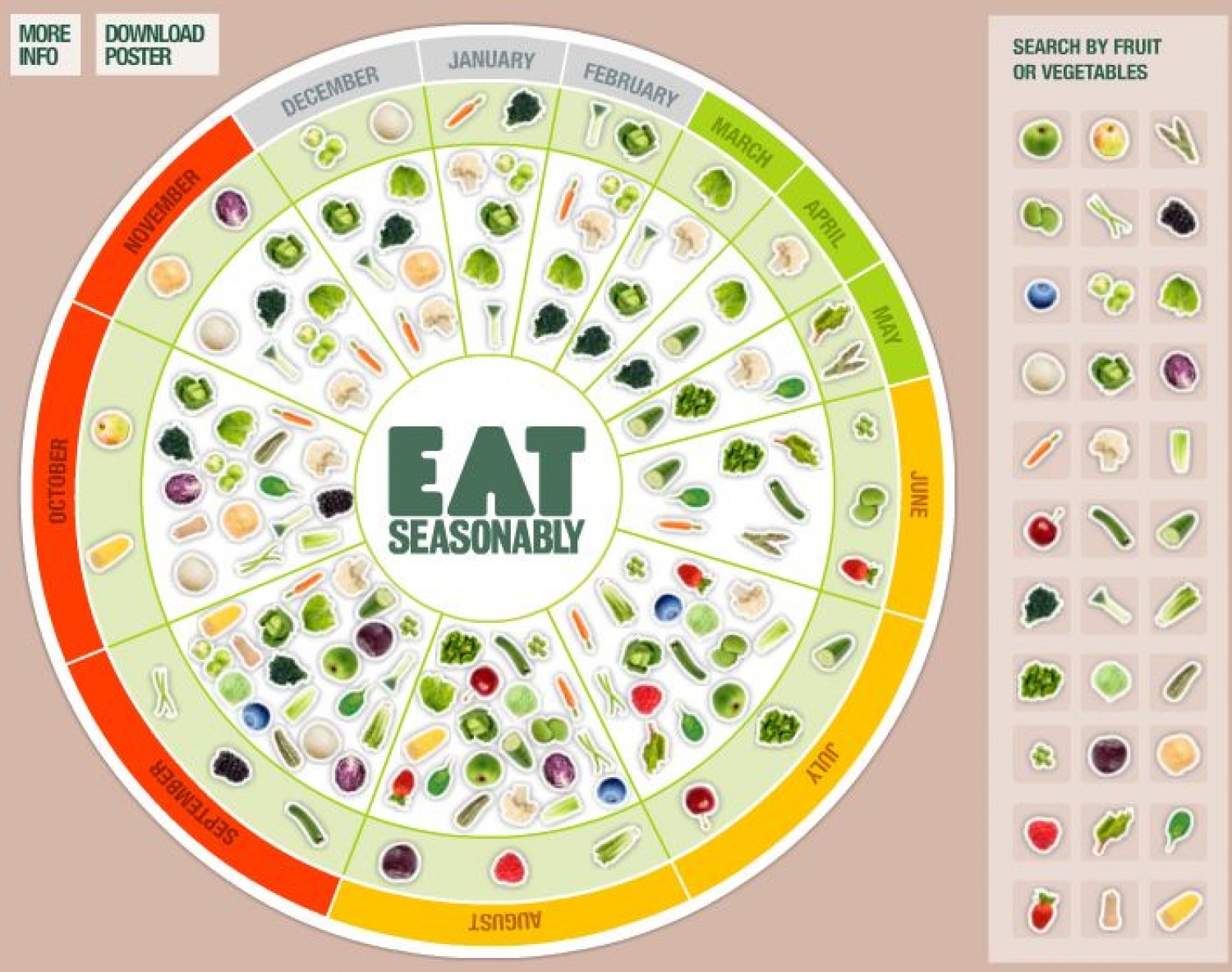
9. Eat in-season.

It’s cheaper to buy fruit and veg that is in season so store promotions will often reflect this. You’ll also notice that if Spain has a great summer for tomato production, the price of tomatoes comes down. It’s just something to watch out for. If you’re not sure what’s in season when, check out this great chart by eatseasonably.

10. Support local farmers.

I’m spoiled for choice here in Brussels with food markets on pretty much every corner. I don’t just love them because of the bargains though, it’s the whole atmosphere. Prices are often set per kg and generally are cheaper than supermarkets, plus, if you’re buying lots and visit them regularly, they’ll often throw in a free broccoli or squash – you’d never get that in a supermarket!

11. Grow your own!

If you have a garden and the space, one step up from going to the markets would be to invest in your own little veg patch. Not only can it save you money but it’s also a lovely way to spend time with your children and reap the rewards of your hard work.

12. Planning.

I said at the start of this list that it can take a little bit of planning, so if you really want to make every penny (or cent) go as far as it can, then you’re going to need to have a meal plan. It’s a good idea to think about recipes that use similar ingredients or how leftovers from one meal can be used in the next. For example, the fresh ingredients for a spaghetti bolognaise aren’t all that different from a chilli, and that left over curry would taste great on a jacket potato.
It’s also worth thinking about how you can get the most of out the meat you buy. When we buy a whole chicken we cut off the breasts and legs, freeze them and then use the carcass for a tasty soup. That’s at least 3 meals from one bird (usually more as I bulk out with pulses and veggies!)

So there’s my top tips, let me know if you put them into action next time you’re shopping! Are there any more you use?