Blog

Nutrition

Nutrient Nugget – Vitamin D

This week I’m going to start a new series of posts called ‘nutrient nuggets’. I thought it would be helpful to give you snippets of information about a particular nutrient, mineral or vitamin.

So, as it’s summer…where better to kick off than with vitamin D?

Why do we need vitamin D?
Vitamin D helps regulate the amount of calcium and phosphate in the body, these are all are used in combination to help make our bones strong and healthy. Vitamin D has many other important roles in the body, including helping maintain muscular strength, immune function and reducing inflammation. Vitamin D also plays an essential role in cell growth; where cells become specialised for a specific function.
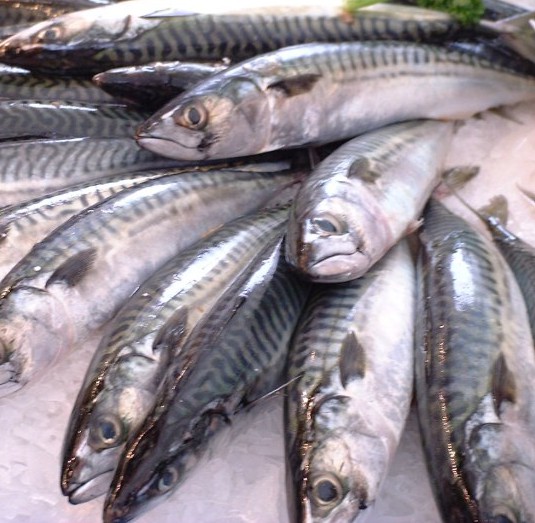
oily fishWhere do we get it from?
The majority (80-90%) of vitamin D is obtained from the sun; when sunlight hits the skin, it causes a reaction under our skin which produces vitamin D.
There are only a couple of dietary sources of vitamin D. Good sources are; oily fish (herring, mackerel, salmon, sardines etc), eggs and fortified fat spreads (required by UK law to contain vitamin D). Some yoghurts and breakfast cereals are also fortified with vitamin D.

How much do we need?
Exposing your face and forearms to the sun a few times a week should be sufficient to maintain good vitamin D levels through the summer. (Remember to cover up and use suncream when out for extended periods and at the hottest times of the day to reduce the risk of skin damage and skin cancer). However, through the winter, it is not possible for our bodies to use sunlight to make vitamin D and this can lead to low levels. It is recommended that everyone in the UK consider taking a 10 microgram (μg) vitamin D supplement from October to March.

Certain population groups such as pregnant women, babies, people who cover their skin when outdoors and those with darker skin are at increased risk of vitamin D deficiency. For these groups, a daily 10 microgram (μg) vitamin D supplement is recommended throughout the year.

The Department of Health in the UK recommends that pregnant and breastfeeding mums should also take a 10μg supplement of vitamin D to ensure she is meeting her nutritional requirements and to help build adequate nutrient stores. Breastfed babies and children aged 1 to 4 years should also take a daily vitamin D supplement (up to 10 micrograms (μg)). Formula fed babies should not take vitamin D unless they are having less than 500ml formula a day as formula is fortified with vitamin D.

What if we don’t get enough?
Early signs of deficiency can be fatigue, muscle aches/weakness and bone pain. A lack of vitamin D over the longer term can cause a bone deformity disorder in children called rickets. Rickets causes the bones to become soft, tender and weak. It can also cause problems with developing teeth. In adults, a similar bone softening condition called osteomalacia can occur.

If you are concerned about your vitamin D levels, you should speak to your doctor, or ask to be referred to a dietitian.

What if we get too much?
Too much vitamin D can upset the balance of calcium and phosphate, provoking the removal of calcium from bones, weakening them. This imbalance can also lead to excess calcium being absorbed rather than being excreted. Excess calcium can be deposited in the kidneys and cause damage.

Given the low amount of vitamin D in most diets, it is most likely vitamin D in excess would occur as a result of taking too higher dose of supplement. The NHS state adults should not take any more than 100 micrograms (μg) of vitamin D per day, children age 1 to 10 years no more than 50 micrograms (μg) and babies less than 1 year no more than 25 micrograms (μg) daily.

What can we do to prevent deficiency diseases?
Rickets and osteomalacia can be prevented by eating a healthy, balanced diet incorporating some sources of vitamin D and taking supplements as recommended above. The NHS also advises 20-30 minutes of sun on the face and forearms a couple of times a week. Please note: You should still use suncream to protect your skin.

Where can I find out more?
Patient.co.uk
NHS: Vitamin D
Find out more about rickets on the NHS Choices website, here.
The Journal of Family Healthcare have a great article detailing causes, prevalence and prevention of rickets.


[Updated May 2020]
Recipes

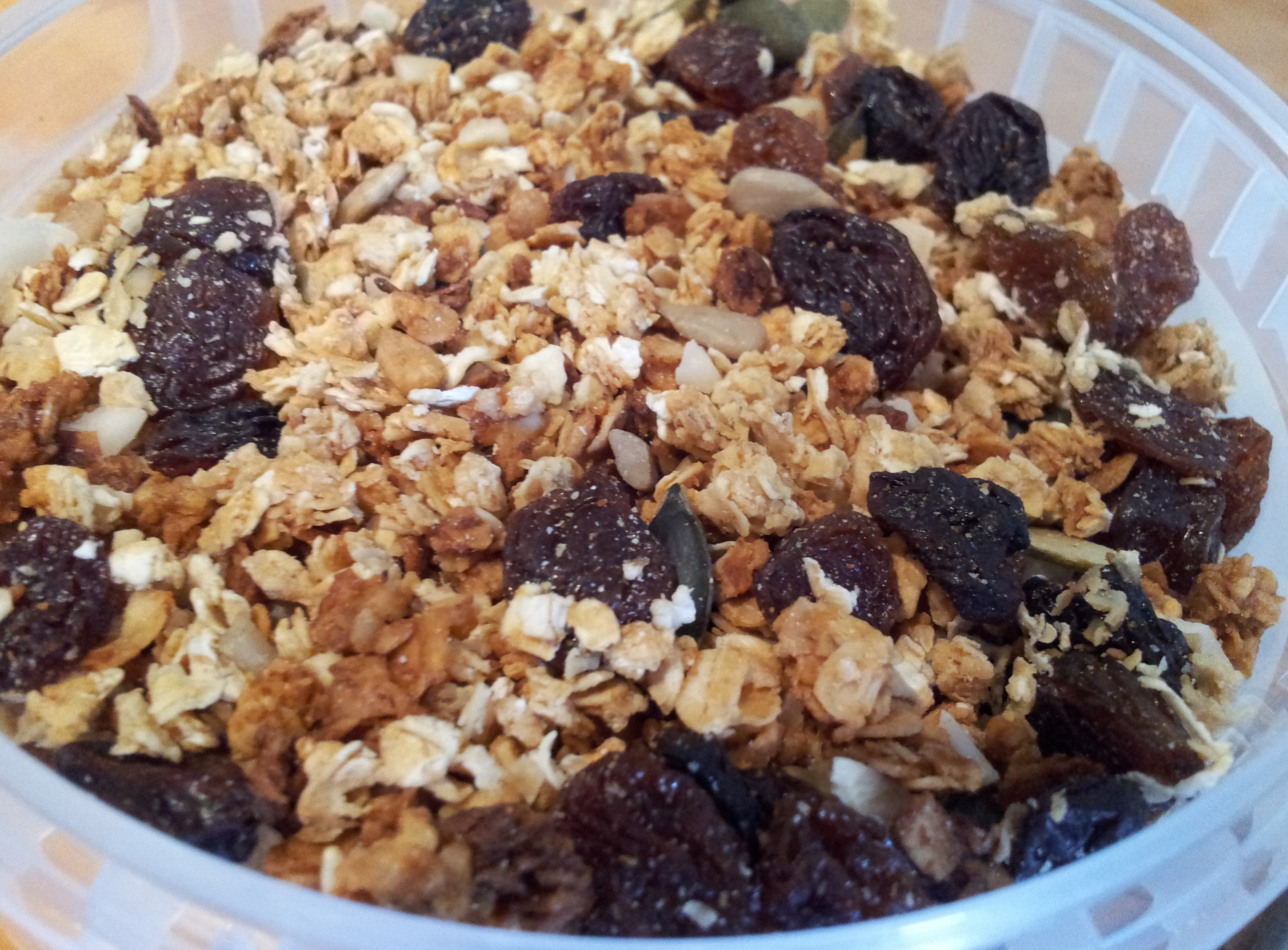
Healthy Crunchy Granola

20140729_144648
As you might have guessed, I am a big fan of oats. So, I LOVE granola. Sadly, since I’ve moved to Belgium I’ve been unable to find a granola that doesn’t have stacks of added sugar and unnecessary ingredients. As a result, I’ve taken to making my own. It’s super easy and literally takes 5 minutes, so I’ll never buy shop-bought again!

Granola is basically cooked oats with all sorts of fruits, nuts and whatever other yummy healthy treats you decide to chuck in. So with wholegrains, protein and fruit it’s got everything you need to keep you going all morning. Plus homemaking your granola means you know exactly what’s in it.

This particular recipe is an mixture of a couple of recipes I’ve found online, but as it’s so easy to tweak, it tends to differ slightly every time.

Ingredients
200g of oats
Two tablespoons of oil (I tend to use coconut or olive oil)
Two-three tablespoons of honey/maple syrup or a mixture of both
One tablespoon of water
One teaspoon vanilla extract
200g of dried fruit
50g seeds and/or nuts
Optional: cinnamon, chocolate chips, ginger etc

Method
1. Preheat oven to 200 degrees C and lay greaseproof paper on a large, flat baking tray.

2. Mix together the oil, honey, water and vanilla extract.

3. Pour the oats into the mixture and stir well, ensuring every oat is covered. It may be easier to get messy and use your hands!

4. If you want to cook the nuts, seeds and dried fruit, add them now. I like my raisins slightly crunchy so cook them! Alternatively they can be added after cooking.

5. Place the mixture onto the greaseproof paper and place in the hot oven for about 10 minutes.

6. Stir the mix and bake for 5-10 minutes more until the oats are golden.

7. Let the oats cool and, if you haven’t already, add in the nuts, seeds and dried fruit.

8. Store in an airtight container!

20140720_141349
CALORIES: 170kcal
PROTEIN: 5g
FAT: 5.5g

(Values are for a 40g serving. Nutritional values will vary depending on ingredients used)

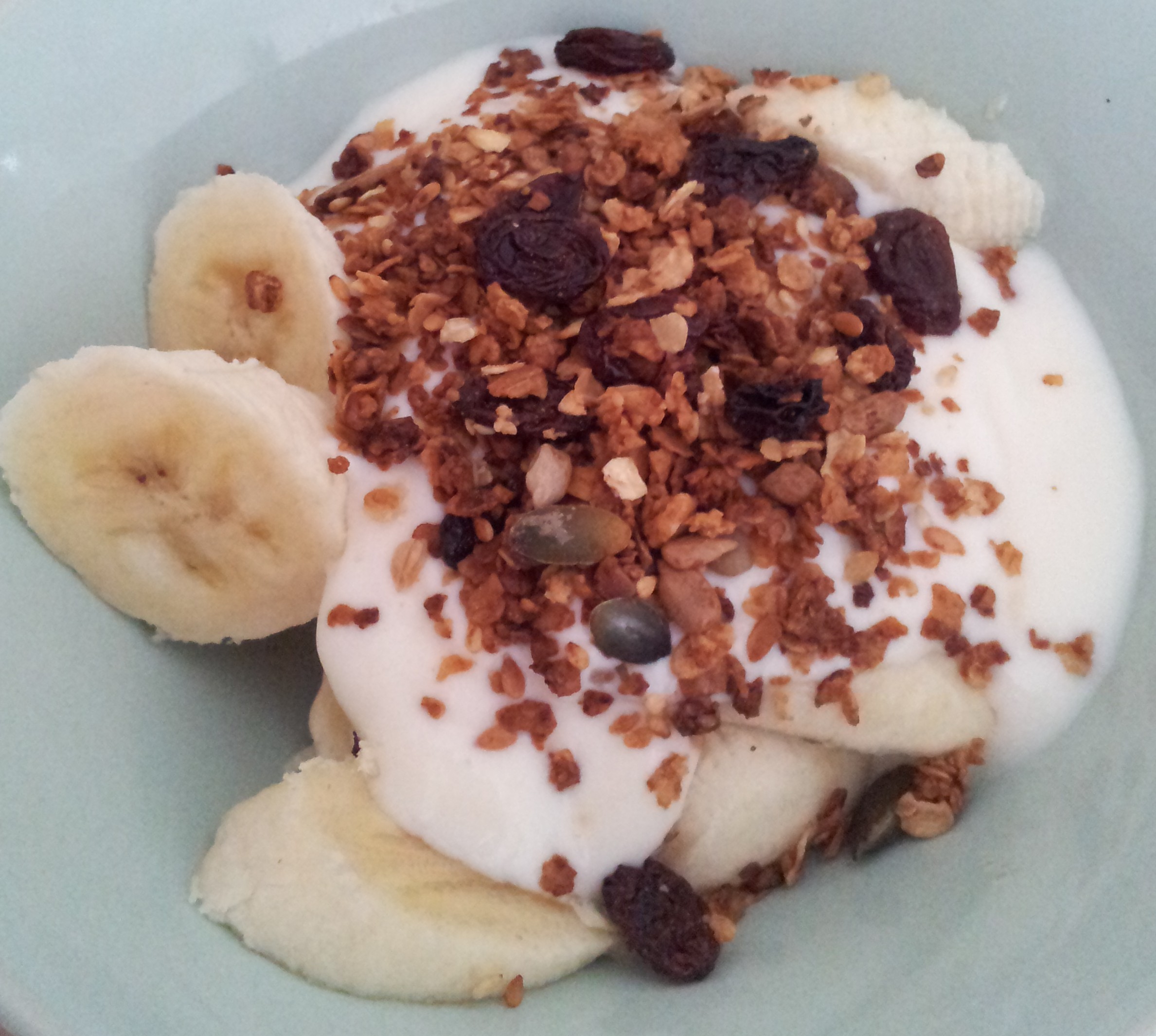
I like my granola with yoghurt and fruit. It makes for a quick, healthy and easy breakfast that I really enjoy.


I’d love to hear your adaptations so let me know how yours goes!


Recipes

Banana Pancakes

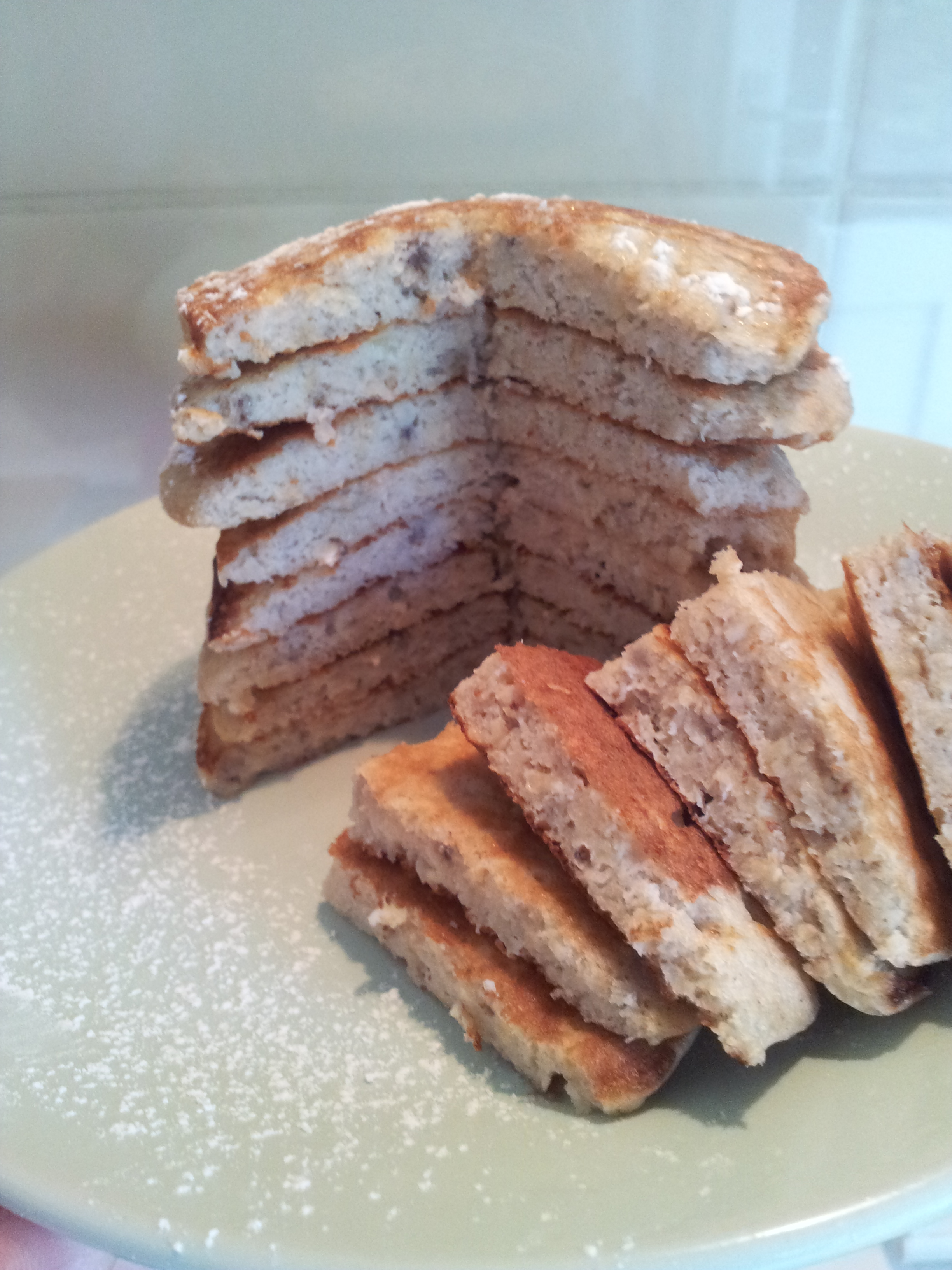
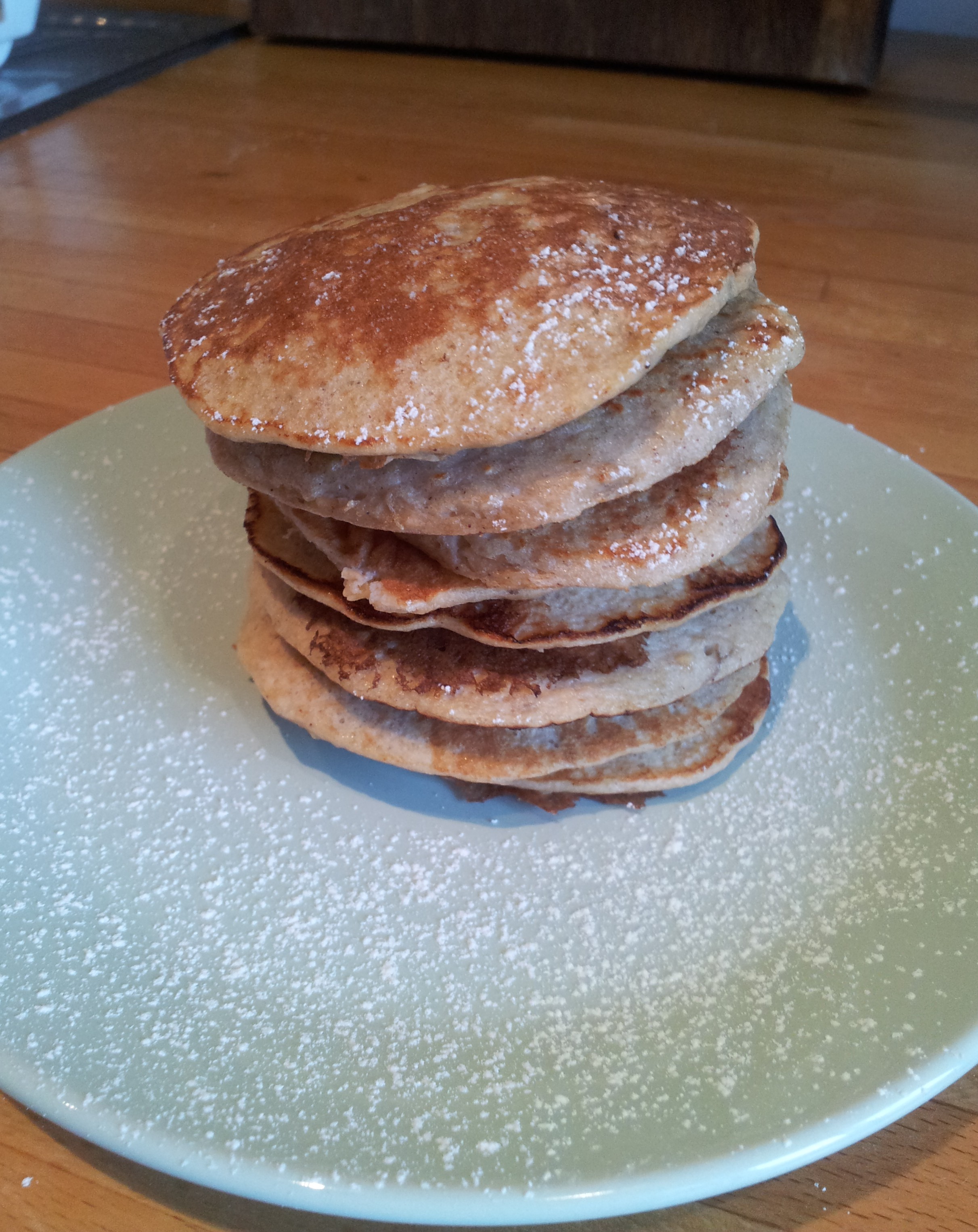
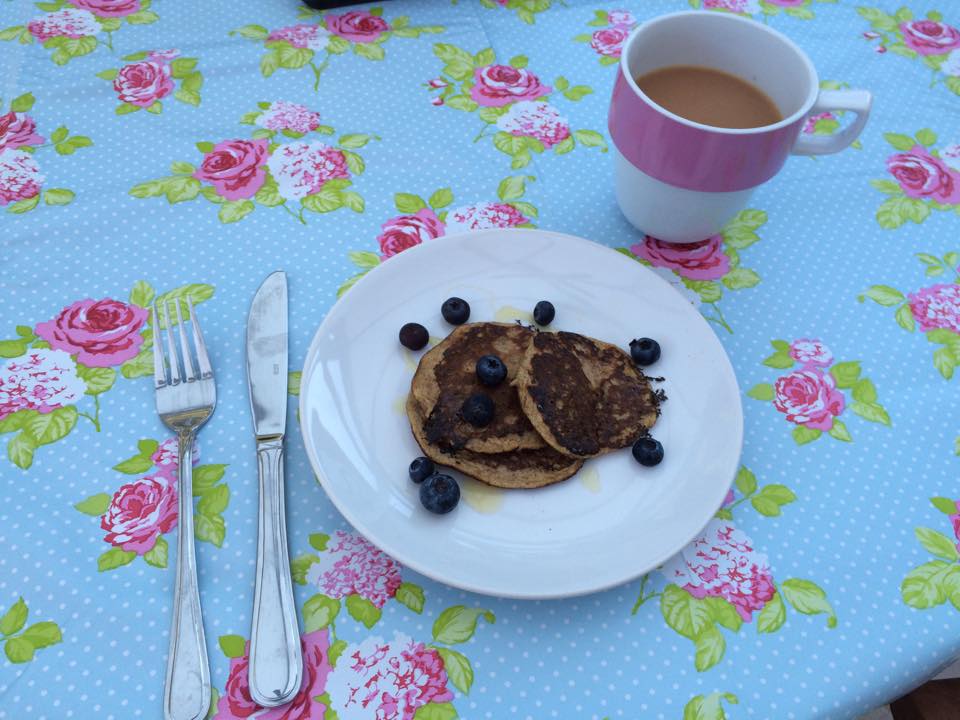
20140718_144950Who doesn’t love pancakes?!

These are fantastic; versatile, so easy to make AND they taste oh-so-good! One of your 5-a-day, a great source of protein and oats to keep those hunger pangs at bay!

Ingredients
One banana
Two eggs
Teaspoon of cinnamon
Two tablespoons of oats

Method
1. Whisk the two eggs in a bowl big enough to hold all the ingredients.

2. Slice the banana into the eggs and mash with a fork, masher or blender. Make sure both ingredients are well combined.

3. Add the cinnamon and oats and whisk until you have a smooth mixture.

4. Heat some oil in a pan (I use spray oil – you need very little) and add a small amount of mixture to the pan. (*TIP: Pour mixture slowly to keep a circle shape*)

5. Cook on a low-medium heat til the pancake is solid enough for you to flip it (around 2-3 minutes per side).

6. Keep going until you run out of mixture and top with whatever your preference!

20140718_144532
CALORIES: 300kcal
PROTEIN: 13g
FAT: 8g                                                                                                              

20140717_100859 (2)

If you have a sweet tooth, try making them with a ripe or overripe banana, these taste naturally sweeter and you won’t need any added sugar.

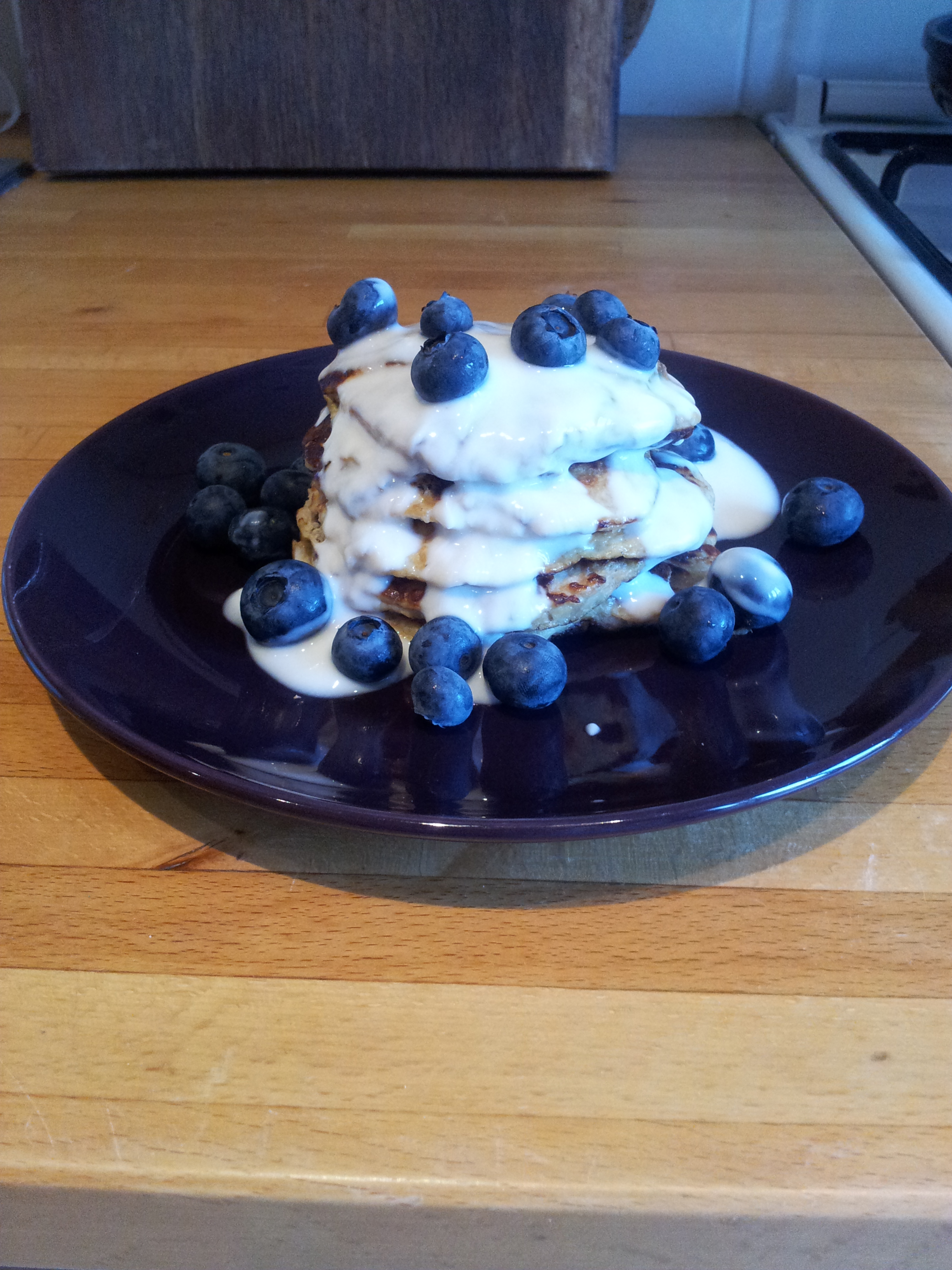
My favourite topping is low fat natural yoghurt and fresh fruit (making it 2 of your 5-a-day!). This morning it was blueberries!

Do let me know what you think!

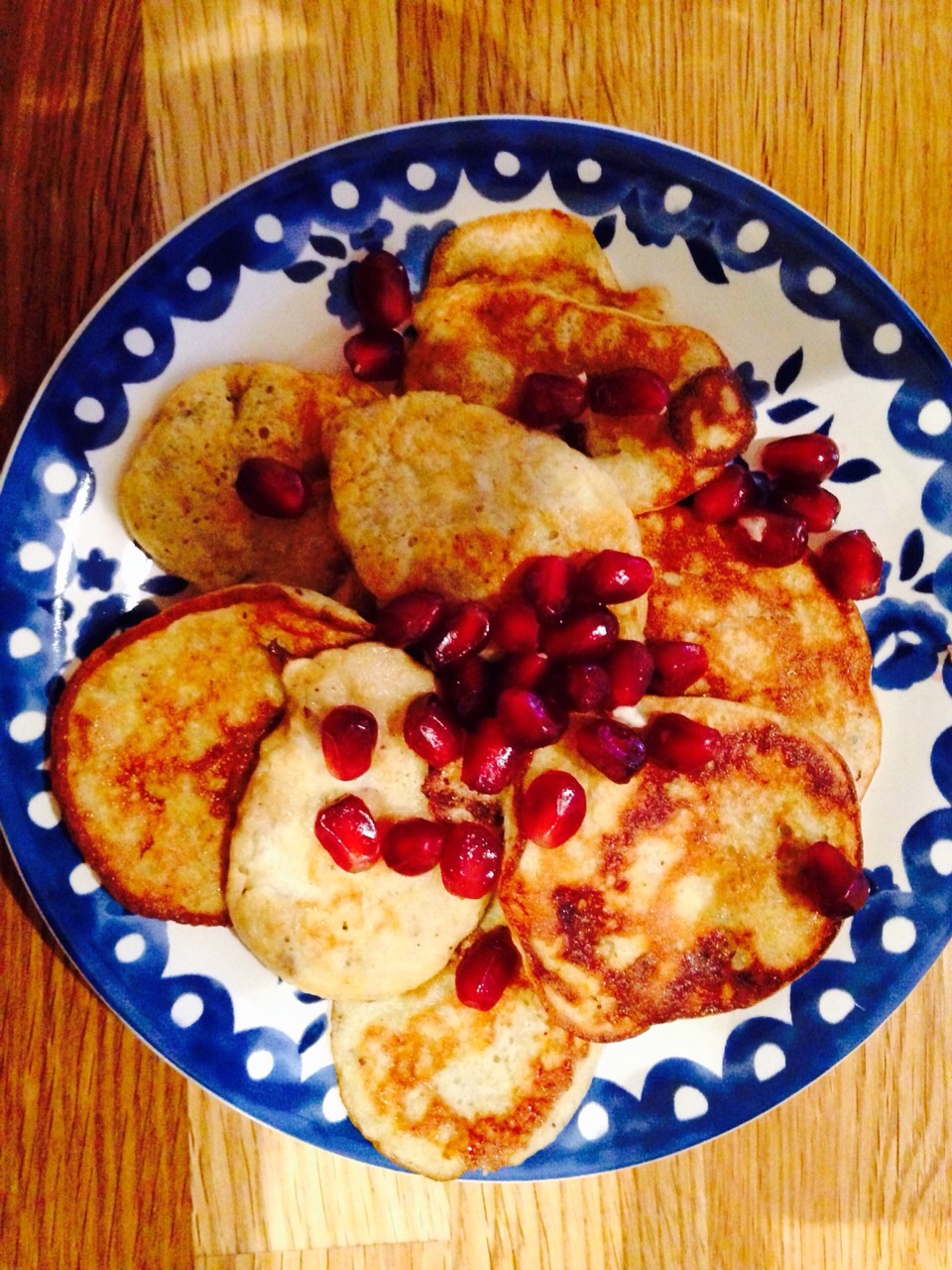
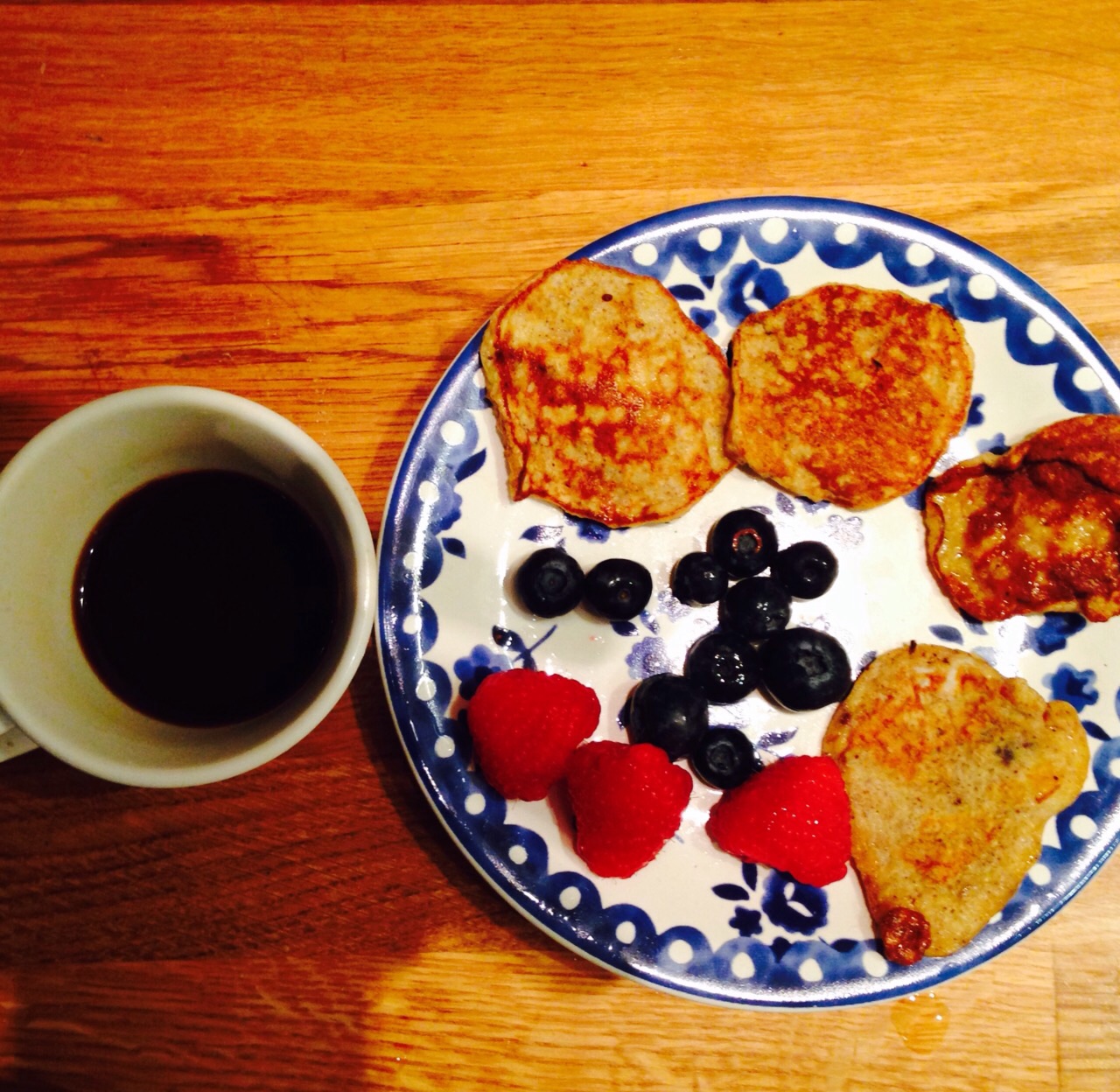
I love receiving your pictures of my recipes, thank you!

pancakes

IMG-20150327-WA0004

IMG-20150327-WA0003

Healthy Living, Weight Loss

How to keep healthy on holiday

Firstly, know that a few weeks away from normal routine is not going to mean that you suddenly become ‘unhealthy’. Actually, relaxing is an important thing to do for our health! However, if you know that your regular routine and habits help when it comes to keeping you in a good place, then it’s normal to wonder about how to continue these habits when you’re away from your normal environment.

I’ve put together my 5 top tips, so you can relax whilst not feeling like you’ve totally forgotten how to best look after yourself.

1. Have breakfast

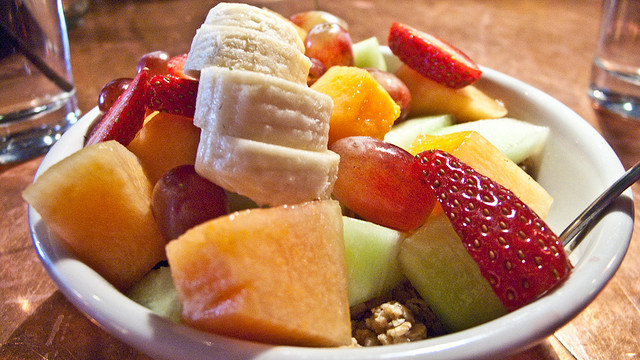
bfast

Breakfast helps set you up energy wise, kick-starts your metabolism and prevents you getting peckish through the morning.

Healthy options include; fruit, yoghurt, oats, muesli or granola. Or, if you’d like something warm; scrambled eggs on toast, smoked salmon and toast, or an omelette. Try and have a source of protein (milk, eggs, yoghurt) mixed with a source of carbohydrate (bread, oats, muesli) as this combination will help keep you fuller for longer and prevent those mid-morning munchies. Make it even better by adding in some fresh or dried fruit for one of your 5-a-day!

2. Get active

tennis

Most holiday destinations provide guests with ample opportunities to get active. Whether it be a swim, a gym session, tennis, a walk, whatever your preference. Look into what the place you’re staying offers before you go, and make a daily goal that feels doable for you.

Why not try something you don’t usually do!

3. Make sure you drink enough

water

Normally, an average adult should be drinking 35mls of fluid per kg of body weight. So, for a 70kg individual, that’s (35 x 70) 2450mls, or nearly 2.5 litres per day. Add in the heat and sight-seeing, and you’re likely to need even more than that. The easiest way of telling if you’re hydrated enough is by checking the colour of your urine, anything darker than a pale straw colour and you need to drink more.

I would always suggest carrying round a bottle of water. It’ll help keep you cool and hydrated. In addition, the brain can confuse hunger and thirst signals. So, when you think you’re hungry, you may just be thirsty. Have a drink, and if you still feel hungry 30 minutes later, then it’s probably time to have something to eat.

4. Take some snacks

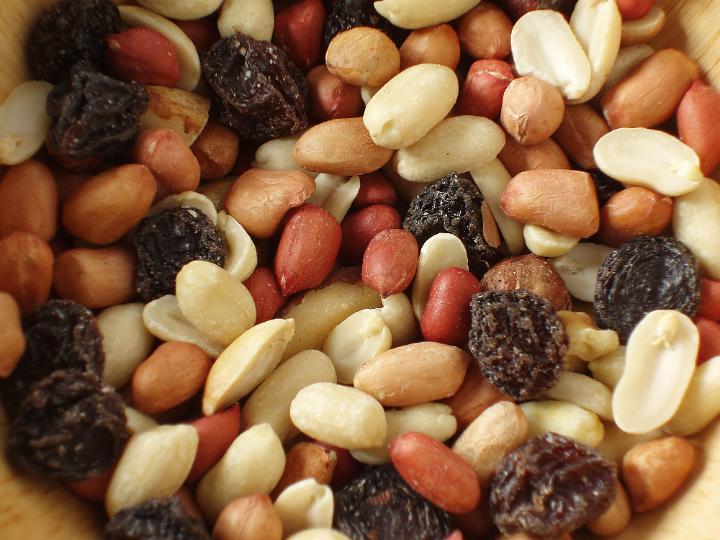
nuts

Don’t go hungry and then pick something that you didn’t really want just because it’s more convenient! If you know you’re going to get hungry, be prepared and take some snacks with you. Fruit and nuts are great things to nibble on to see you through to the next meal.

Or, if you’re off for the day, see if you can take something for lunch from the breakfast buffet!

5. Portion sizes

Try to eat similar portion sizes to what you do at home. Stick to a similar dietary pattern too if you can; if you have 5-a-day at home, aim for 5-a-day on holiday too.

If you know you’re going to be eating out regularly, do some research on what dishes are popular for your destination and plan ahead. It’s a great excuse to try some of the local cuisine! Also, don’t be afraid to ask waiting staff for more information about a dish. Most restaurants will oblige if you ask for the fish to be grilled rather than fried.

Need something to cool you down? Some ice lollies are less than 100 calories (check the packet). Really want that ice cream? Have it! Enjoy it!

Don’t deprive yourself completely. Holidays are an important time to forget the stresses of work and enjoy company of your loved ones so it’s important to have a little bit of what we enjoy. Good news is this is possible without it having a negative impact on health!

I hope you find my tips helpful. Please comment with any added suggestions you may have!

Nutrition, Weight Loss

Fats: which ones should we choose? (Part 2)

This is a continuation of my post regarding fats, see part 1 here.

What are omega-3 and omega-6?

Omega-3 and omega-6 are essential fatty acids found in polyunsaturated fats. They are essential because they cannot be made by the body and are required for good health, so it’s important that we get these fatty acids from our diet.

Omega-3, or alpha-linolenic acid, can be found in rapeseed oil, dark green leafy vegetables, walnuts and seeds. Some eggs are also fortified with omega-3. Oily fish (salmon, mackerel, sardines and herring) are a rich source of a specific type of omega-3 that can help reduce inflammatory responses and blood clotting, thereby reducing risk of heart disease. Current recommendations state 1-2 portions of oily fish per week. Omega-6, or linoleic acid, is found in vegetable and nut oils such as sunflower and peanut oil.

There is growing evidence to suggest that omega-3 and omega-6 can help lower our risk of heart disease and some studies show reduced risk of type-2 diabetes and Alzheimer’s disease.

Coconut oil; good or bad?

There have been a lot of health claims about coconut oil recently, but is it all it’s cracked up to be?

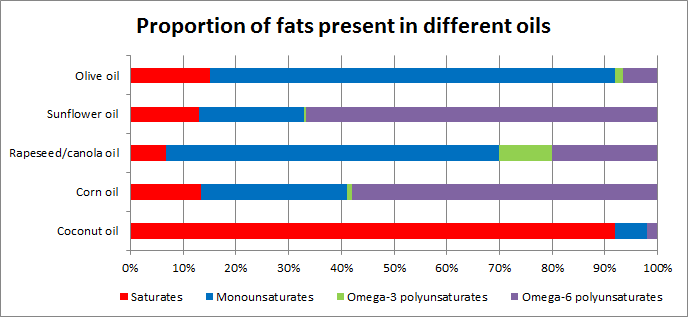
Firstly, it should be noted that coconut oil is around 92% saturated fat. As you can see in the graph below, this is extraordinarily high and, using the general ‘rules’ regarding saturated fats coconut oil should be avoided. However, the composition of coconut oil is unusual. A large proportion of the fats found in coconut oil are medium chain fatty acids.

Oil fat content

…What are medium chain fatty acids?

Fatty acids are the bits attached to the glycerol backbone (go back to the structure of a triglyceride explained in part 1). Short, medium and long are terms used to indicate the length, or number, of carbons present in the fatty acid chain. Short (0-6 carbons) and medium chain (6-13 carbons) fatty acids are digested, transported and metabolised more quickly than long chain fatty acids (14+ carbons). This could mean that the high concentration of medium chain fatty acids found in coconut oil results in it behaving differently within the body to most saturated fats.

It may also be that the length of the carbon chain changes the impact the fat has on blood cholesterol levels. For example, research suggests that long chain fatty acids increase total and LDL (‘bad’) cholesterol while medium chain fatty acids increase the HDL (‘good’) cholesterol and have a neutral effect on LDL. However, more research is needed to confirm this.

What about the other health claims of coconut oil?

About 49% of the medium chain fatty acids found in coconut oil is lauric acid. It has been suggested that lauric acid has special antibacterial properties. However, many of the health claims that exist around coconut oil and it’s antimicrobial properties are not yet proven. There are also claims suggesting coconut oil increases metabolism therefore aiding weight loss. Unfortunately, very few studies investigate health benefits of coconut oil, especially when compared to the substantial evidence backing health benefits of mono and polyunsaturates (see part 1). Plus, it is consumed in such low quantities that any impact on microbes or metabolism is likely to be minimal.

Having said this, coconut oil is fine to use in small amounts or as a replacement to other oils in cooking. It can add a tasty nutty flavour to food and the presence of medium chain fatty acids may have a beneficial effect on blood cholesterol. Coconut oil, in particular, is a fat that requires lots more research!

So what fat should I choose?

There are lots of different types of oils and spreads available, and people may use different types for different things.

The biggest difference between butter and different types of spread is the saturated fat content. The graph below demonstrates the amounts of fat present in different types of spreads. (Values have been averaged from commonly used brands but can vary).

Fat spreads comparison image

Which oil and spread you choose is likely to depend on lots of things; taste preference, health benefits, cost, habit etc.

In summary, to choose a fat low in saturates with higher proportions of mono and polyunsaturates is best for heart health, i.e rapeseed/olive oils and spreads. However, if used sparingly (as any fat should be anyway!), fats with higher amounts of saturates (such as butter and coconut oil) can be incorporated as part of a balanced, healthy diet.

It’s important to remember that all oils and spreads are fats, so whatever ones you use should be in small amounts, especially if you’re trying to lose weight.

Nutrition, Weight Loss

Fats: what, why and how much? (Part 1)

At times, it seems like the media change their mind on a daily basis about whether fat is good or bad, which ones are better and which ones to avoid. So, to clear it up, I’m going to start at the beginning…

What is a fat?

In chemistry, fats are called lipids. There are three main types of lipids; triglycerides, phospholipids and sterols. Most of the fat we eat is in the form of triglycerides, so for this blog post I’ll be looking specifically at these.

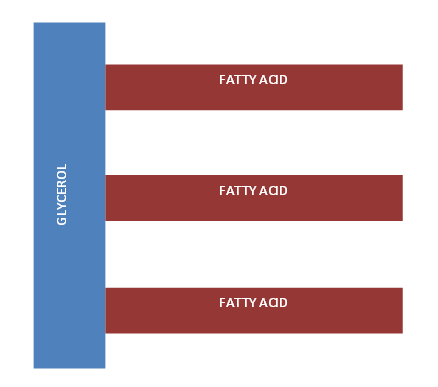
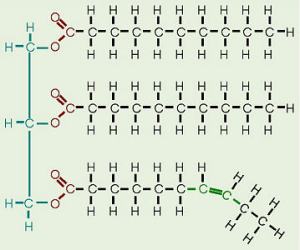
Triglycerides are made up of 4 components; a glycerol backbone and 3 fatty acid chains. They look a bit like this;

Paint fat

Fat structure

OR


The fatty acid chains can be saturated or unsaturated, this describes how the molecules in the fatty acid are joined together. Saturated fats have no double bonds, unsaturated fats have at least one double bond (as seen in the bottom fatty acid chain above). Generally speaking, saturated fats tend to be solid at room temperature and are from animal sources. Unsaturated fats are liquid at room temperature and tend to come from vegetable or plant sources.

Why do we need fats?

Fat provides energy; around 9 kilocalories (kcals) per gram. It’s important that we have some fat in our diet because it’s needed to transport and aid absorption of fat soluble vitamins. Fat also provides vitamins A, D and essential fatty acids that cannot be made by the body. However, too much fat can lead to weight gain and put us at risk of health problems in later life.

What are the different types of fat?

There are three main types of fats; saturated, monounsaturated and polyunsaturated. Most foods contain a mixture of all of these, but usually one type of fat is present in larger quantities than the others. There are also trans-fats, these are a specific type of unsaturated fatty acid. Trans-fats are found in low levels in some foods but are also formed in food manufacturing.

Saturated and trans-fats are less healthy, because they bring about an increase in overall blood cholesterol levels. Foods high in saturates include; fatty cuts of meat, butter, cream, cheese and pastries. Trans-fats are formed when oil undergoes a process called hydrogenation, the hydrogenated fat can then be used for frying or as an ingredient in processed foods.

We should all try to have less saturated and trans-fats in our diet. Saturated fat can be reduced by choosing leaner cuts of meat or trimming off the fat, using low fat dairy products and grilling or poaching foods rather than frying or roasting them. As the negative effects of trans-fats have become more evident, their use in food manufacturing has declined. As a result, most people eat under half the recommended maximum of trans-fats, so saturated fat presents a much bigger problem. However, it is still worth checking labels and choosing oils that do not contain hydrogenated or partially hydrogenated vegetable oil.

Mono and polyunsaturated fats are better for us as they can help lower blood cholesterol. Sources of monounsatured fats include olive oil, nuts and avocados. Polyunsaturated fats can be found in rapeseed oil, sunflower oil, oily fish and nuts.

However, a fat is still a fat and to prevent gaining too much weight and increased risk of diseases in later life we shouldn’t eat too much of any type of fat – even the ‘good’ ones!

So how much fat should we eat?

Current recommendations state that no more than one third of our daily energy should come from fats. This works out at between 50-100g of fat per day depending on your nutritional requirements. Of this, less than 10% of our daily total energy intake should come from saturated fats (around 20g for women and 30g for men) and no more than 5g per day of trans-fats. Fat and saturated fat content of most food items can be found on the food labels.

Generally speaking, choosing plant sources of fat that contain mono or polyunsaturates where possible is best for heart health. But we should try to prevent over-consumption of any type of fat in order to prevent weight gain.


…Part 2 of ‘FATS’  explores fat makeup of different oils and spreads; which ones we should choose? I’ll also be looking at omega-3, omega-6 and the facts behind coconut oil.

Healthy Living, Nutrition

What is a Dietitian?

I was wondering what to do for my first blog post, and I thought, where better to start than with what a dietitian does?! Plus, it’s dietitians week…:)

What is a Dietitian?

Dietitians are regulated healthcare professionals who are experts in the field of food and nutrition and the only nutrition professionals who are regulated by law. They are trained in providing evidence-based advice to individuals and groups regarding healthy eating and dietary related disease.

What’s the difference between a dietitian and a nutritionist?

The word “dietitian” is a legally protected title. In order to call yourself a dietitian, you have to complete a minimum of BSc Hons in Dietetics. Alternatively, you can study an MSc or post graduate diploma after having completed a related undergraduate science degree. All UK dietetic courses must be approved by the Health and Care Professions Council (HCPC) and include a minimum number of hours in a hospital gaining practical experience. Practicing dietitians are regulated by the HCPC. They are bound by an ethical code and required to keep up to date with emerging evidence in order to continue providing accurate, evidence-based advice.

Dietitians do not only see people who want to eat healthily or lose weight, they are also trained to give dietary advice to those with specific food related medical conditions including; diabetes, IBS or allergies. Dietitians work with people in the community and those who are acutely ill in hospitals. You can check that your UK dietitian is registered here.

Some nutritionists are registered. This means they have studied a course of a minimum standard (approved by the Association for Nutrition (AfN) in the UK). They are therefore appropriately trained to give advice on food and healthy eating. However, they are not educated in giving advice for specific medical conditions. Unfortunately, ‘nutritionist’ is not protected in the same way as ‘dietitian’ is. Nutritionists who have had the appropriate level of training may have one of the following letters after their name; RNutr (Registered Nutritionist), ANutr (Associate Nutritionist) or FAfN (Fellows of the Association for Nutrition). You can check to see if your UK nutritionist is registered here.

What do dietitians do?

Dietitians can work in a huge variety of settings, including; hospitals, public health, education, food industry, sport, media and freelance. What they do varies widely depending on the area in which they work. Dietitians in hospitals spend time on wards and in clinics, often working as part of a multi-disciplinary team to help with dietary management of disease. Dietitians provide nutritional advice to someone who wants to lose weight, or gain it. They may help someone who has Coeliac disease eliminate gluten from their diet. They may write articles for magazines or work with a football team. The opportunities are almost endless!

Areas in which dietitians are able to give advice include; diabetes, weight management, allergies and intolerances, IBS, eating disorders, paediatrics and mental health. They also provide advice for people with conditions that sometimes require nutritional support including; cancer, stroke, motor neurone disease and HIV/AIDS. If they wish, dietitians are able to choose to specialise in one of these areas too.

What about other “nutrition experts”?

There are people working in nutrition who are not registered dietitians or nutritionists. They may call themselves; nutrition experts, nutritional therapists, diet experts or metabolic advisors. They often give recommendations based on alternative medicine that is not evidence-based or used by regulated practitioners. Many nutrition experts use obscure methods of testing and advise taking supplements to maximise health. These recommendations are not based on credible scientific evidence, are often founded on personal opinions and driven by financial incentives.

Some nutrition experts may have had training to foundation degree level or completed an unregulated course but they are not obliged to register with an overseeing authority. This means that it is a largely unregulated industry where advice given is likely to be inconsistent and unfounded.

So… If you want to seek nutritional advice, look for either a dietitian or a registered nutritionist. Dietitians are the gold standard of nutritional education, and you know that the advice you get will be evidence-based and tailor made for you!

The British Dietetic Association (BDA) have a great leaflet explaining the difference between nutritional professionals in more information.

Healthy Living

My Philosophy on Diet

The word “diet” has got a lot of bad press, and is now often perceived as restriction of food. For me, “diet” refers to all I eat. It’s not about abstaining from or avoiding certain foods, it’s about balancing out everything. My “diet” consists of carbs, fruits, vegetables, fish, pulses, cheese, chocolate and ice cream. I discourage “dieting”, I aim to support you in finding a healthy diet that suits you and your lifestyle.

There’s a lot of information out there that can be conflicting, confusing and unnecessarily complicated. It seems that almost every day there is a new health claim, celebrity endorsed diet or groundbreaking supplement! I aim to remove this smokescreen, and provide you with clear, evidence-based advice that can be easily applied to your lifestyle. I also hope to motivate you to want to make healthier choices, rewarded not only through physical health benefits, but also by feeling happier in yourself.

Eating should not feel like hard work! For a truly healthy lifestyle, there should be no pressure to eat foods you don’t like, starve yourself or ban entire food groups! Getting evidence based, accurate advice on food and nutrition can help change your perspective towards healthy eating and guide you towards a sustainable, healthy lifestyle, not a FAD diet. I can help you find the right nutritional balance and support you as you progress.

In the meantime, I hope to make your lifestyle transition easier by sharing my knowledge in the form of posts, recipes and hints through my blog.