Healthy Living

Eating well through Christmas

Those of you who follow my blog will know that ‘dieting’ isn’t something I encourage. I believe that short terms fixes produce short term results and short term results don’t lead to better health. For me, a healthy diet is about eating foods that are good for my physical and psychological health. Severe or permanent restriction of any food is not good for health; physical or psychological. 

Now Christmas can be a worrying time for many people who are anxious around food. There’s food everywhere.  Often, portion sizes increase and well-meaning people give food based gifts. And…alcohol! How do you continue your healthy lifestyle through this minefield?! Well, here’s my top 10 tips on how you can manage your food and Christmas.

1. Make your goals realistic
If you’re someone who likes setting goals, make sure they’re achievable. For example; are you likely to get up at 5am on Christmas day to go for a run, or lose 5kg in the Christmas fortnight? Setting goals that you’re unlikely to achieve may make you feel negative and result in you ‘giving up’. If you’re trying to lose weight, aim to maintain your weight over the Christmas period and get back into setting an achievable goal afterwards.

2. Be kind to yourself

Try not to be too hard on yourself. If you have been realistic in your goal setting this should help, but try to talk to yourself in the same way you would to a good friend. Using a supportive, encouraging, understanding tone is much better for your psychological health than disciplining yourself.

3. Stay hydrated
Start off your day with a large glass of water, and keep drinking more through the day. Being dehydrated can make you feel more hungry and increase the volume of alcohol you drink. Try alternating alcoholic drinks and water (see point 7).

4. Freeze leftovers
Sometimes it can’t be helped, cooking waaaay too much at Christmas is too harder habit to break. However, chances are if there’s stuffing balls left in the fridge they’ll be picked at between meals. Anything that can be frozen, freeze it so the temptation isn’t there.

5. Ration your chocolate or give it away
If you’re one of those people who can have chocolate in the house and not munch your way through a box in one sitting, then great, make it last. If you’re not one of those people, then how about giving some of your chocolate to a worthy cause; a charity raffle, a church coffee morning, your post or bin men?!

6. Keeping the balance
Always ensure you have a good amount of fruit and vegetables! The Christmas season often means numerous social outings, and that means food. Try to notice the amount of things like nibbles and bread you might eat before a meal. You could also try and look at the menu before you go to give you more time to consider your choice. You could opt for lighter starters like soup or melon and desserts like sorbet or meringue with fruit. You could even suggest sharing a dessert or just have a coffee. (Coffee and strong flavoured tea (like mint) can help cleanse the palate after a meal.)

7. Watch the alcohol units
For many, alcohol seems to come hand in hand with Christmas. Remember that in terms of calories per gram, alcohol is second only to fat, containing 7 calories per gram (fat contains 9 calories per gram). That means that one glass of bubbly is likely to contain around 90 calories and a bottle of 4% beer around 100 calories.
Remember that too much alcohol is not good for your overall health, so try to have occasions where you won’t drink at all (drive there so you don’t have a choice)! And always try to lessen your intake; alternate between alcohol and soft drinks, ask for extra ice or dilute wine or spirits with diet mixers.

8. Make some healthy snacks
People tend to snack more through the Christmas period, this is normal. Consider what you are snacking on, why are you snacking? Is it true hunger or emotional hunger? Work on being more aware of your habits and how they might differ from your normal. It may be worth looking at the timing of meals through the day too; are you snacking because you’re hungry (or thirsty)?

9. Get in some exercise
Spending time with loved ones is an important part of Christmas. Make time for walks and family activities and you’ll be enjoying their company as well as staying active. Get up from the sofa and enjoy the crisp winter mornings!

10. Choose indulgences wisely
Take some time to consider your options, for example, you could have dessert and canapes, just canapes, or just half a dessert. Make a conscious decision before you go about what you’re going to choose and then think about why. Is it because you have another party tomorrow? Is it because you’ll want some mulled wine later? Thinking about this ahead of time can help you in the moment.

It is hard saying no to everything everyone offers you, but staying in control of what you want to say ‘yes’ to is a crucial part of maintaining a healthy lifestyle. It’s not about always saying “no”, but being more aware of how often you say “yes.”. For some people, it helps to practice different ways you can say no, for example; “yes it does look delicious, I’ll be sure to have one later” or “thanks, that was lovely but I can’t manage any more” or simply “no, thank you”.

Try to change “I can’t” to “I don’t”. Saying this means you’re in control and much more likely to stay on track during the Christmas holidays.

Remember, you can’t do ‘wrong’!

Have a Happy Christmas!
Nutrition

Nutrient Nugget – Vitamin C

Why do we need vitamin C?

Vitamin C, also called ascorbic acid, has a huuuuuge list of functions. It’s an anti-oxidant, which means it helps to keep your cells healthy and reduce risk of cardiovascular disease, diabetes and inflammatory diseases. Vitamin C is also required to make collagen; a type of protein found in connective tissue (skin and blood vessels), which makes vitamin C is essential for muscle maintenance. It activates many hormones and enzymes, including those linked with bile production and liver metabolism. Plus, vitamin C plays an important role within our nervous system, aids wound healing and helps our body absorb iron. See, I said it was a long list!

citrusWhere do we get it from?

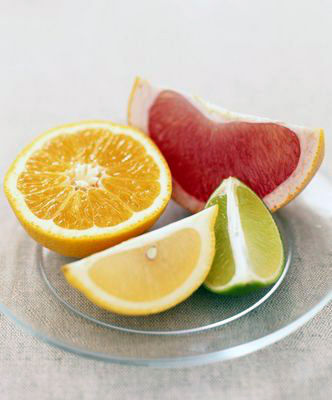
Our bodies are unable to make vitamin C, so all of what we need has to come from our diet. Vitamin C is found in lots of fruit and vegetables; oranges and other citrus fruits, kiwi, mango, blackcurrants, tomatoes, peppers, broccoli, potatoes, sweet potato and brussels sprouts.


How much do we need?

Adults are recommended 40 milligram (mg) per day* (Department of Health, 1991). Pregnant women should intake an extra 10mg for the last trimester, and breastfeeding women are advised to aim for a total of 70mg per day. Recommended intakes for other ages are outlined below:
0-1 year: 25mg
1-10 years: 30mg
11-14 years: 35mg

*People who smoke regularly use up more vitamin C and so may require up to 80mg per day.

To put this into perspective, a small orange contains 50mg of vitamin C, a medium sweet potato has about 20mg and a cup of broccoli will provide you around 80mg. As you can see, if you eat fruit and vegetables, you should have no problem reaching your recommended intake!

What if we don’t get enough?

You may have heard stories of when sailors and pirates used to suffer from a disease called scurvy. This is the name given to the disease caused when we don’t have enough vitamin C. Luckily, it’s not very common anymore apart from those who do not consume enough fruits and vegetables. Symptoms include; feeling fatigued, muscle weakness, irritability, pain in joints, bleeding gums and red/blue spots appearing on your skin. The disease is treated by the person taking vitamin C supplements and eating foods high in vitamin C.

What if we get too much?

Having over 1000mg (20 oranges!) can cause abdominal discomfort, stomach pain, flatulence and diarrhoea. Some people take high doses of vitamin C because they believe that it can help prevent the common cold. There is little evidence to support complete prevention, but high doses may help reduce the severity of some symptoms. In addition, it is likely that anything over 500mg of vitamin C at any one time won’t be absorbed.

Where can I find out more?

NHS Choices – Vitamin C
NHS Choices – Scurvy
Vitamin C and the common cold

Department of Health (1991). Dietary reference values for food energy and nutrients for the United Kingdom.

Dietary Conditions, Healthy Living

How to be a healthy veggie

I’m not vegetarian, but I do enjoy vegetarian food. Every Monday, I experiment with a recipe that typically contains meat and try to make it with lentils, beans or another legume. I support ‘Meat Free Mondays’ for a couple of reasons; I like the taste of legumes and pulses, they’re lower in saturated fats than red meat PLUS I like the challenge of trying to make something where my boyfriend doesn’t notice the meat is ‘missing’!

If you’re thinking about becoming vegetarian or vegan though, it’s more complicated than just cutting meat and animal products from your diet.

First things first, a lot will depend to what degree you cut out meat. Is it just red meat (demi-vegetarian)? No red meat or poultry but you’ll eat fish (pescatarian)? No animals but still eat eggs and dairy (lacto-ovo-vegetarian)? Or no animals or animal products at all (vegan)?
All of these animal products contain nutrients that your body needs, so naturally, if you’re cutting them out then you need to find an alternative source.

Proteins are made up of tiny pieces called amino acids. Amino acids are required by the body to make hormones, enzymes and replace muscle tissue. Some amino acids are essential; the body cannot make them, so they need to be ingested through our diet. Most meats and animal products are called complete proteins, which means that they provide all of the 9 essential amino acids. If still consuming dairy products and eggs, these are valuable sources of protein too – with eggs being a complete protein.

Quinoa and soya beans are also technically complete proteins, although they do not contain as higher levels of these amino acids as animal products do. Therefore, it’s best to mix things up a bit! Quinoa, despite it being a complete protein, is not a rich source, so it should not be the only protein containing food vegetarians eat. Your diet should also contain rich sources, ie; eggs, chic peas, beans and lentils. However, most vegan sources of protein are not complete, meaning that in order to obtain all of the essential amino acids, a couple of protein sources need to be mixed. Legumes (lentils, chic peas, beans etc) are typically low in the essential amino acid called methionine. Grains (rice, cous-cous, brown bread etc), while containing methionine, are insufficient in lysine. By combining legume + grain, vegetarians or vegans can obtain a complete protein. For example; beans on toast, rice and black bean curry, lentil soup and bread or pita bread and hummus. Meat eaters and vegetarians should aim to have 2-3 servings of complete proteins per day.

Iron

Another nutrient to be aware of is iron. Women have a higher requirement of iron than men (due to menstruation) and intakes are typically below what is recommended, especially in adolescent girls. Iron found in meat is called haem-iron, and is more readily absorbed than non-haem iron. For this reason, female vegetarians especially, need to ensure that they’re having a couple of sources of non-haem iron daily. Iron can be found in beans and pulses, eggs, fortified breakfast cereals, dark green leafy vegetables (like spinach, broccoli and swiss chard), wholemeal flour, dried apricots and seeds. As I said, these non-haem sources of iron aren’t so easily absorbed by the body, however, there are a few tips than can help enhance absorption. Vitamin C (found in citrus fruits, peppers and sweet potato) helps improve the amount of iron we can obtain from food. So having a glass of orange juice with cereal or some sweet potato in your lentil soup will help up your iron intake. Also, avoid having tea and coffee alongside a meal as they contain tannins and phytates that bind with iron and make it more difficult for the body to absorb.

If vegan, good sources of calcium will be required to replace calcium obtained from dairy (see my nutrient nugget for more info on calcium). Calcium is found in green leafy veg like; kale, broccoli, rocket and watercress, beans, pulses, fish where you eat the bones (tinned mackerel/sardines), almonds, brazil nuts, sesame seeds and dried apricots. Some soya milks and tofu are also fortified with calcium. Vitamin D (obtained from sunlight) enhances calcium absorption, so those at risk of poor vitamin D status should eat a variety of the above foods daily and you should consider a vitamin D supplement. See my vitamin D post.

Vitamin B12 is found in animals and animal products. The requirement for this nutrient is small so deficiency is rare but strict vegans should consume a fortified food or take a supplement. For example; yeast extract (marmite), fortified soya products, breakfast cereals and vegetable stocks.

Finally, as milk is an important source of iodine, vegans are at risk of low intakes. If this is the case it’s recommended to use iodized salt or take a nutritional supplement.

In order to get all the vitamins and minerals we need, a large variety of fruits and vegetables should be eaten. Think about eating as many different colours as possible! This, alongside beans, lentils, grains and nuts will help ensure your vegetarian or vegan diet is adequate in all nutrients.

Healthy Living, Weight Loss

How to keep healthy on holiday

Firstly, know that a few weeks away from normal routine is not going to mean that you suddenly become ‘unhealthy’. Actually, relaxing is an important thing to do for our health! However, if you know that your regular routine and habits help when it comes to keeping you in a good place, then it’s normal to wonder about how to continue these habits when you’re away from your normal environment.

I’ve put together my 5 top tips, so you can relax whilst not feeling like you’ve totally forgotten how to best look after yourself.

1. Have breakfast

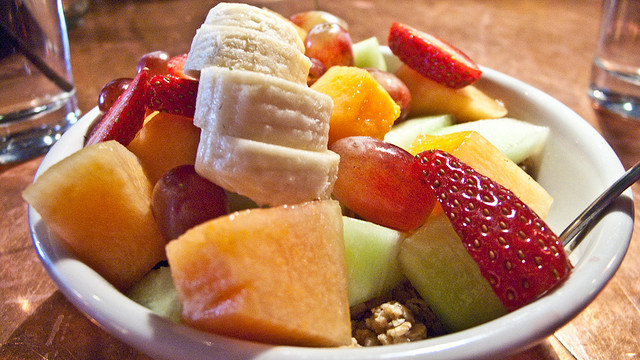
bfast

Breakfast helps set you up energy wise, kick-starts your metabolism and prevents you getting peckish through the morning.

Healthy options include; fruit, yoghurt, oats, muesli or granola. Or, if you’d like something warm; scrambled eggs on toast, smoked salmon and toast, or an omelette. Try and have a source of protein (milk, eggs, yoghurt) mixed with a source of carbohydrate (bread, oats, muesli) as this combination will help keep you fuller for longer and prevent those mid-morning munchies. Make it even better by adding in some fresh or dried fruit for one of your 5-a-day!

2. Get active

tennis

Most holiday destinations provide guests with ample opportunities to get active. Whether it be a swim, a gym session, tennis, a walk, whatever your preference. Look into what the place you’re staying offers before you go, and make a daily goal that feels doable for you.

Why not try something you don’t usually do!

3. Make sure you drink enough

water

Normally, an average adult should be drinking 35mls of fluid per kg of body weight. So, for a 70kg individual, that’s (35 x 70) 2450mls, or nearly 2.5 litres per day. Add in the heat and sight-seeing, and you’re likely to need even more than that. The easiest way of telling if you’re hydrated enough is by checking the colour of your urine, anything darker than a pale straw colour and you need to drink more.

I would always suggest carrying round a bottle of water. It’ll help keep you cool and hydrated. In addition, the brain can confuse hunger and thirst signals. So, when you think you’re hungry, you may just be thirsty. Have a drink, and if you still feel hungry 30 minutes later, then it’s probably time to have something to eat.

4. Take some snacks

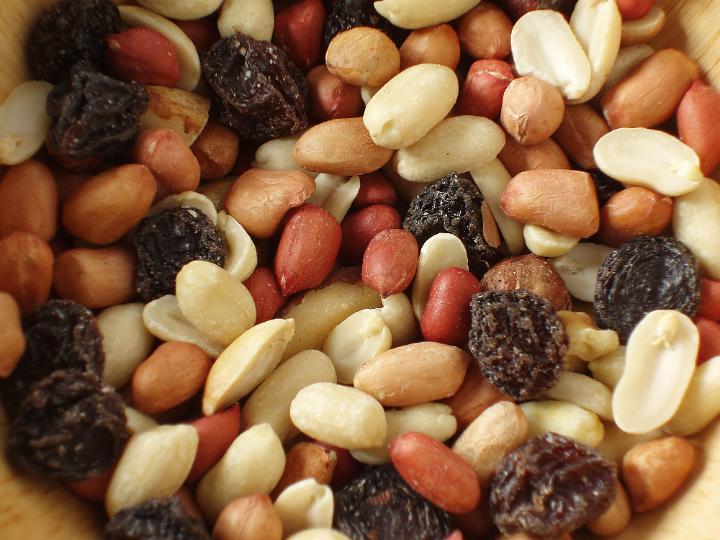
nuts

Don’t go hungry and then pick something that you didn’t really want just because it’s more convenient! If you know you’re going to get hungry, be prepared and take some snacks with you. Fruit and nuts are great things to nibble on to see you through to the next meal.

Or, if you’re off for the day, see if you can take something for lunch from the breakfast buffet!

5. Portion sizes

Try to eat similar portion sizes to what you do at home. Stick to a similar dietary pattern too if you can; if you have 5-a-day at home, aim for 5-a-day on holiday too.

If you know you’re going to be eating out regularly, do some research on what dishes are popular for your destination and plan ahead. It’s a great excuse to try some of the local cuisine! Also, don’t be afraid to ask waiting staff for more information about a dish. Most restaurants will oblige if you ask for the fish to be grilled rather than fried.

Need something to cool you down? Some ice lollies are less than 100 calories (check the packet). Really want that ice cream? Have it! Enjoy it!

Don’t deprive yourself completely. Holidays are an important time to forget the stresses of work and enjoy company of your loved ones so it’s important to have a little bit of what we enjoy. Good news is this is possible without it having a negative impact on health!

I hope you find my tips helpful. Please comment with any added suggestions you may have!

Healthy Living, Nutrition

What is a Dietitian?

I was wondering what to do for my first blog post, and I thought, where better to start than with what a dietitian does?! Plus, it’s dietitians week…:)

What is a Dietitian?

Dietitians are regulated healthcare professionals who are experts in the field of food and nutrition and the only nutrition professionals who are regulated by law. They are trained in providing evidence-based advice to individuals and groups regarding healthy eating and dietary related disease.

What’s the difference between a dietitian and a nutritionist?

The word “dietitian” is a legally protected title. In order to call yourself a dietitian, you have to complete a minimum of BSc Hons in Dietetics. Alternatively, you can study an MSc or post graduate diploma after having completed a related undergraduate science degree. All UK dietetic courses must be approved by the Health and Care Professions Council (HCPC) and include a minimum number of hours in a hospital gaining practical experience. Practicing dietitians are regulated by the HCPC. They are bound by an ethical code and required to keep up to date with emerging evidence in order to continue providing accurate, evidence-based advice.

Dietitians do not only see people who want to eat healthily or lose weight, they are also trained to give dietary advice to those with specific food related medical conditions including; diabetes, IBS or allergies. Dietitians work with people in the community and those who are acutely ill in hospitals. You can check that your UK dietitian is registered here.

Some nutritionists are registered. This means they have studied a course of a minimum standard (approved by the Association for Nutrition (AfN) in the UK). They are therefore appropriately trained to give advice on food and healthy eating. However, they are not educated in giving advice for specific medical conditions. Unfortunately, ‘nutritionist’ is not protected in the same way as ‘dietitian’ is. Nutritionists who have had the appropriate level of training may have one of the following letters after their name; RNutr (Registered Nutritionist), ANutr (Associate Nutritionist) or FAfN (Fellows of the Association for Nutrition). You can check to see if your UK nutritionist is registered here.

What do dietitians do?

Dietitians can work in a huge variety of settings, including; hospitals, public health, education, food industry, sport, media and freelance. What they do varies widely depending on the area in which they work. Dietitians in hospitals spend time on wards and in clinics, often working as part of a multi-disciplinary team to help with dietary management of disease. Dietitians provide nutritional advice to someone who wants to lose weight, or gain it. They may help someone who has Coeliac disease eliminate gluten from their diet. They may write articles for magazines or work with a football team. The opportunities are almost endless!

Areas in which dietitians are able to give advice include; diabetes, weight management, allergies and intolerances, IBS, eating disorders, paediatrics and mental health. They also provide advice for people with conditions that sometimes require nutritional support including; cancer, stroke, motor neurone disease and HIV/AIDS. If they wish, dietitians are able to choose to specialise in one of these areas too.

What about other “nutrition experts”?

There are people working in nutrition who are not registered dietitians or nutritionists. They may call themselves; nutrition experts, nutritional therapists, diet experts or metabolic advisors. They often give recommendations based on alternative medicine that is not evidence-based or used by regulated practitioners. Many nutrition experts use obscure methods of testing and advise taking supplements to maximise health. These recommendations are not based on credible scientific evidence, are often founded on personal opinions and driven by financial incentives.

Some nutrition experts may have had training to foundation degree level or completed an unregulated course but they are not obliged to register with an overseeing authority. This means that it is a largely unregulated industry where advice given is likely to be inconsistent and unfounded.

So… If you want to seek nutritional advice, look for either a dietitian or a registered nutritionist. Dietitians are the gold standard of nutritional education, and you know that the advice you get will be evidence-based and tailor made for you!

The British Dietetic Association (BDA) have a great leaflet explaining the difference between nutritional professionals in more information.

Healthy Living

My Philosophy on Diet

The word “diet” has got a lot of bad press, and is now often perceived as restriction of food. For me, “diet” refers to all I eat. It’s not about abstaining from or avoiding certain foods, it’s about balancing out everything. My “diet” consists of carbs, fruits, vegetables, fish, pulses, cheese, chocolate and ice cream. I discourage “dieting”, I aim to support you in finding a healthy diet that suits you and your lifestyle.

There’s a lot of information out there that can be conflicting, confusing and unnecessarily complicated. It seems that almost every day there is a new health claim, celebrity endorsed diet or groundbreaking supplement! I aim to remove this smokescreen, and provide you with clear, evidence-based advice that can be easily applied to your lifestyle. I also hope to motivate you to want to make healthier choices, rewarded not only through physical health benefits, but also by feeling happier in yourself.

Eating should not feel like hard work! For a truly healthy lifestyle, there should be no pressure to eat foods you don’t like, starve yourself or ban entire food groups! Getting evidence based, accurate advice on food and nutrition can help change your perspective towards healthy eating and guide you towards a sustainable, healthy lifestyle, not a FAD diet. I can help you find the right nutritional balance and support you as you progress.

In the meantime, I hope to make your lifestyle transition easier by sharing my knowledge in the form of posts, recipes and hints through my blog.